Victoria's Best Fungi Walks: 25 Amazing Forest and Rainforest Walks


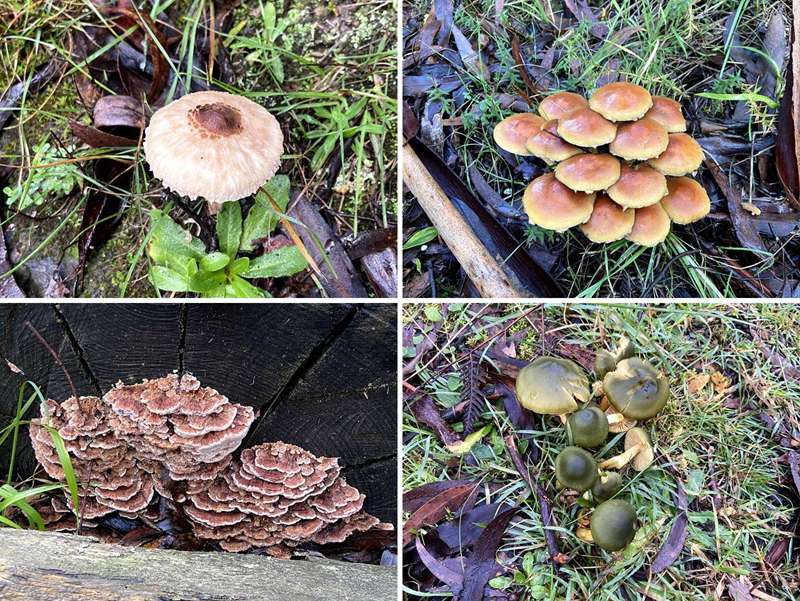
Victoria is home to an extraordinary variety of fungi, from colourful coral fungi and delicate fairy inkcaps to giant bracket fungi and glowing mushrooms. The best time to spot fungi is usually between May and September, particularly after periods of steady rain. Damp forests, rainforests and fern gullies provide the ideal conditions for fungi to thrive.
The best fungi walks are usually found in cool, damp forests with abundant decaying timber. Rainforests, fern gullies, creek valleys and old-growth forests provide the moisture and habitat needed for fungi to thrive. Many of Victoria's most spectacular fungi displays appear after periods of sustained rain, transforming ordinary bushwalks into colourful and fascinating nature experiences.
Whether you're a keen photographer, nature lover or simply looking for a different bushwalking experience, these walks offer some of the best opportunities to discover Victoria's fascinating fungi.
Best Fungi Walks at a Glance
- Best overall: Wirrawilla Rainforest Walk (Toolangi)
- Best near Melbourne: Lyrebird Loop Walk (Sherbrooke)
- Best rainforest walk: Maits Rest Rainforest Walk (Apollo Bay)
- Best short walk: Donna Buang Rainforest Gallery (Warburton)
- Best riverside fungi walk: Werribee River Walk (Blakeville)
- Best Daylesford region walk: Tipperary Springs to Bryces Flat Walk (Daylesford)
- Best family-friendly fungi walk: Badger Creek Weir Walks (Badger Creek)
- Best hidden gem: Glen Nayook Bushland Reserve (Neerim Junction)
Quick Reference Guide to Victoria's Best Fungi Walks
| Walk | Location | Highlights | Distance |
| Lyrebird Loop Walk | Sherbrooke | Tree ferns, moss-covered logs and dense Mountain Ash forest. | 5.4 km return |
| Badger Creek Weir Walks | Badger Creek | Fern gullies, towering Mountain Ash trees and family-friendly tracks. | 1.2–1.4 km return |
| Ada Tree Walk | Powelltown | Ancient Mountain Ash forest and abundant fallen timber. | 3.2 km return |
| Reids Tramline Walk | Powelltown | Historic tramway through fern gullies and wet forest. | 6 km loop |
| Donna Buang Rainforest Gallery | Warburton | Elevated boardwalk through cool temperate rainforest. | 350 m boardwalk |
| Whipstick Loop Walk | Blackwood | Forest walk with fungi-rich leaf litter and fallen logs. | 5 km return |
| Lerderderg Heritage River Walk | Blackwood | Damp river gullies and shaded forest habitat. | 8 km return |
| Werribee River Walk | Blakeville | River flats, mossy logs and shaded creek-side forest. | 4.5 km loop |
| Tipperary Springs to Bryces Flat Walk | Daylesford | Sailors Creek, historic water races and damp forest gullies. | 7 km return |
| Sanatorium Lake Walk | Mount Macedon | Moss-covered forest and one of Victoria's best fungi locations. | 2.5 km loop |
| Camels Hump Track | Mount Macedon | Cool mountain forest with reliable winter fungi. | 1.8 km return |
| Maits Rest Rainforest Walk | Apollo Bay | Ancient rainforest with fungi on almost every fallen log. | 800 m loop |
| Triplet Falls Walk | Beech Forest | Rainforest, waterfalls and lush vegetation. | 2 km loop |
| Hopetoun Falls Walk | Beech Forest | Dense rainforest and year-round moisture. | 1 km return |
| Beauchamp Falls Walk | Beech Forest | Waterfall walk through fungi-rich forest. | 4 km return |
| Lake Elizabeth Walk | Forrest | Temperate rainforest and giant Mountain Ash trees. | 3.8 km loop |
| Melba Gully Rainforest Walk | Lavers Hill | Rainforest, glow worms and abundant fungi. | 1.5 km loop |
| Cumberland Walk | Marysville | Fern gullies and rainforest leading to Cumberland Falls. | 4 km return |
| Toolangi Sculpture Trail | Toolangi | Easy walk through mossy forest and public art. | 1.5 km loop |
| Wirrawilla Rainforest Walk | Toolangi | Outstanding cool temperate rainforest habitat. | 1 km return |
| Tarra Valley Rainforest Walk | Tarra-Bulga National Park | Ancient rainforest and Cyathea Falls. | 1.4 km return |
| Corrigan Suspension Bridge Walk | Tarra-Bulga National Park | Lush rainforest and suspension bridge. | 1.2 km return |
| Mount Worth State Park Walks | Allambee | Mountain Ash forest, rainforest pockets and fern gullies. | 1.5–8.5 km |
| Glen Nayook Bushland Reserve | Neerim Junction | Fern gullies, moss-covered boulders and The Sinks. | 1.5 km loop |
| Toorongo & Amphitheatre Falls Walk | Noojee | Waterfalls, tree ferns and wet forest habitat. | 2.2 km loop |
When to Visit
The peak fungi season generally runs from May to September, with June, July and August often providing the most spectacular displays. Cooler, wetter regions such as the Otways, Mount Macedon, Toolangi and Tarra-Bulga tend to produce fungi most consistently throughout the season.
Every season is different, but one thing remains the same: after rain, Victoria's forests transform into a hidden world of remarkable shapes, colours and textures. These walks provide some of the best opportunities to experience that magic for yourself.
Tips for Fungi Spotting
- Visit a few days after good rainfall.
- Walk slowly and look carefully at fallen logs, stumps and leaf litter.
- Early morning often provides the best photography conditions.
- Carry a macro lens if photographing fungi.
- Never eat wild mushrooms unless identified by an expert.
- Stay on designated tracks to protect fragile habitats.
Dandenong Ranges
The cool mountain forests of the Dandenong Ranges are among the most accessible places near Melbourne to see fungi. Moist gullies, towering Mountain Ash forests and abundant fallen timber create perfect growing conditions.
Sherbrooke Falls Walk (2.4km return at Sherbrooke)
This popular walk passes through lush fern gullies where fungi can be found growing on fallen logs, tree roots and decaying timber.
Lyrebird Loop Walk (5.4km return at Sherbrooke)
One of the best fungi walks in the Dandenongs, featuring dense tree fern forests, moss-covered logs and sheltered gullies.
Yarra Ranges National Park & Upper Yarra
The mountain ash forests of the Yarra Ranges provide habitat for countless fungi species.
Badger Creek Weir Picnic Area Walks (3 walks 1.2 - 1.4km return at Badger Creek)
One of the easiest places near Melbourne to discover fungi, Badger Weir combines towering Mountain Ash forest, lush fern gullies and moss-covered logs with a choice of short family-friendly walks. The damp forest environment provides ideal habitat for fungi throughout winter and early spring, while the excellent picnic facilities make it a great destination for a half-day outing.
Ada Tree Walk (3.2 km return at Powelltown)
Walk through magnificent old-growth forest filled with fungi habitat.
Reids Tramline Walk (6km loop at Powelltown)
A historic tramway walk through Mountain Ash forest and fern gullies that offers excellent fungi spotting opportunities during winter and spring.
Donna Buang Rainforest Gallery (350m long elevated walkway at Warburton)
An elevated boardwalk through cool temperate rainforest featuring giant tree ferns, moss-covered logs and consistently moist conditions. Despite its short length, it is one of the best fungi walks in the Yarra Ranges.
Wombat State Forest & Daylesford Region
The forests around Daylesford, Trentham and Blackwood are well known among fungi enthusiasts. The combination of cool climate, volcanic soils and regular rainfall supports a remarkable diversity of species.
Whipstick Loop Walk (5km return at Blackwood)
The surrounding forest often produces colourful fungi after rain, particularly around old logs and leaf litter.
Lerderderg Heritage River Walk (8km return at Blackwood)
This beautiful riverside forest walk passes through damp gullies that support numerous fungi species.
Werribee River Walk (4.5km loop walk in Blakeville)
This scenic circuit follows the Werribee River through a quiet section of the Wombat Forest. The track passes river flats, eucalypt forest, mossy logs and shaded gullies that provide ideal habitat for fungi during winter and early spring. After periods of rain, fungi can often be found growing on decaying timber and amongst the leaf litter beside the track. The walk also passes near Carrolls Spring, adding another point of interest to the journey.
Tipperary Springs to Bryces Flat Walk (7km return at Daylesford)
Following Sailors Creek through the heart of Hepburn Regional Park, this historic walk combines old gold-mining landscapes with some of the best fungi habitat in the Daylesford area. The track passes old water races, damp forest gullies and creek-side vegetation where fungi regularly appear after rain. With its mix of history, scenery and reliable moisture, it is one of the region's most rewarding winter walks.
Macedon Ranges
The cool forests of Mount Macedon are among Victoria's most reliable fungi hotspots.
Sanatorium Lake Walk (2.5km loop at Mount Macedon)
One of Victoria's best fungi walks, featuring moss-covered logs, towering forest and abundant moisture.
Camels Hump Track (1.8km return at Mount Macedon)
Explore cool forest environments where fungi regularly emerge during the wetter months.
Great Otway National Park
The Otways are arguably Victoria's premier fungi destination. Ancient rainforest, towering myrtle beech trees and consistently moist conditions support an extraordinary variety of fungi.
Maits Rest Rainforest Walk (800m loop at Apollo Bay)
One of the easiest and most rewarding fungi walks in Victoria. Look for fungi on every fallen log and tree trunk. At night look out for the glow worms along the soil banks beside the track.
Triplet Falls Walk (2km loop at Beech Forest)
Rainforest, waterfalls and thick vegetation create ideal fungi habitat.
Hopetoun Falls Walk (1km return at Beech Forest)
The shaded rainforest environment supports numerous species throughout winter.
Beauchamp Falls Walk (4km return at Beech Forest)
One of the Otways' most rewarding waterfall walks and a great place to discover fungi.
Lake Elizabeth Walk (3.8km loop at Forrest)
A beautiful walk through giant Mountain Ash forest and cool temperate rainforest.
Melba Gully Rainforest Walk (1.5km loop at Lavers Hill)
Known for glow worms at night, this rainforest also provides exceptional fungi viewing opportunities.
Marysville & Black Spur
The forests around Marysville and the Black Spur are among Victoria's most productive fungi habitats. High rainfall, towering Mountain Ash forests and extensive fern gullies create ideal growing conditions.
Cumberland Walk (4km return at Marysville)
One of Victoria's finest rainforest walks, Cumberland Walk winds through lush fern gullies and towering Mountain Ash forest on its way to Cumberland Falls. The cool, moist environment supports a rich variety of fungi, particularly after winter rainfall.
Toolangi State Forest
Toolangi is one of Victoria's hidden fungi treasures, attracting photographers from across the state.
Toolangi Sculpture Trail (1.5km loop at Toolangi)
This easy walk combines outdoor art with beautiful forest scenery. Moss-covered logs and shaded gullies provide excellent habitat for fungi, making it a popular destination for photographers.
Wirrawilla Rainforest Walk (1km return at Toolangi)
A beautiful pocket of cool temperate rainforest packed with mosses, lichens and fungi.
Gippsland & Strzelecki Ranges
The rainforests of Gippsland offer some of Victoria's most spectacular fungi displays.
Tarra Valley Rainforest Walk (1.4km return at Tarra Bulga National Park)
Ancient rainforest with tree ferns, mosses and abundant fungi with a highlight being the Cyathea Falls.
Mount Worth State Park Walks (Various walks ranging from 1.5km to 8.5km at Allambee, South Gippsland)
Located in the western Strzelecki Ranges, Mount Worth State Park is one of Victoria's hidden gems for fungi enthusiasts. The park contains regenerating Mountain Ash forest, cool fern gullies, pockets of rainforest and an abundance of fallen timber that creates ideal fungi habitat. More than 40 fungi species have been recorded within the park, and the moist forest conditions make it a reliable destination during winter and spring.
Glen Nayook Bushland Reserve (1.5km loop at Neerim Junction)
Following the Tarago River through a spectacular fern gully, Glen Nayook is one of Gippsland's finest short fungi walks. Towering Mountain Ash trees, dense tree ferns, moss-covered granite boulders and abundant decaying timber create ideal conditions for fungi throughout winter and spring. The walk culminates at "The Sinks", where the river disappears underground amongst huge boulders.
Toorongo and Amphitheatre Waterfalls Walk (2.2km loop at Noojee)
Waterfalls, fern gullies and wet forest combine to create excellent fungi habitat.


