Best Bushwalks for Families in Melbourne


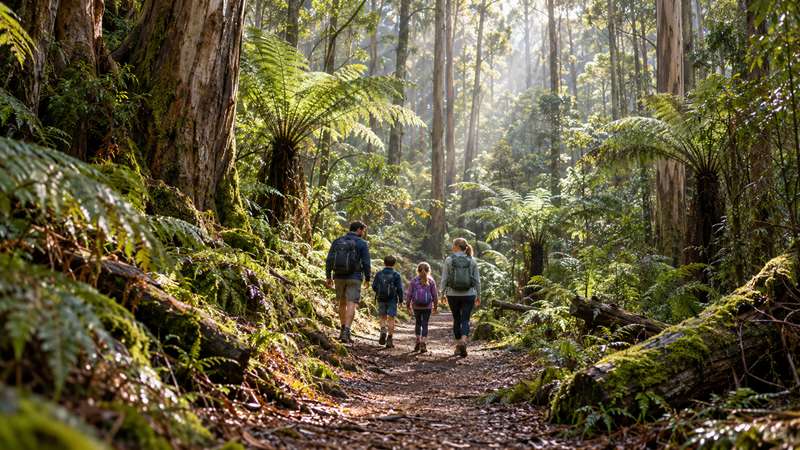
Melbourne is surrounded by wonderful bushwalking destinations where families can explore native forests, discover waterfalls, spot kangaroos and other wildlife, and enjoy spectacular scenery.
From short nature walks suitable for younger children to more challenging hikes through rugged gorges and coastal landscapes, there are bushwalks to suit a wide range of ages and abilities.
Some of the best family bushwalks are surprisingly close to Melbourne, while others make wonderful day trips to the Dandenong Ranges, Mornington Peninsula and surrounding areas.
This guide focuses on bushwalks and nature trails, with information about walking distances, difficulty and highlights to help families choose their next outdoor adventure.
For a broader selection of family walks, including city parks, gardens, bayside paths, art trails and rail trails, see our The Best Family Walks in Melbourne guide.
Choosing a Bushwalk for Your Family
When planning a family bushwalk, consider the distance, terrain, elevation changes and ages of your children.
- Easy bushwalks: Generally shorter walks on relatively level tracks, suitable for families with younger children.
- Moderate bushwalks: Longer distances, hills, steps or uneven surfaces that require a reasonable level of fitness.
- Challenging bushwalks: Steep climbs, rocky sections, river crossings or longer distances, generally better suited to older children and experienced walkers.
Jump to a Region
- Inner North
- Outer North
- North East
- Outer East and Dandenong Ranges
- North West
- South East
- South West
- Mornington Peninsula
Inner North
Gresswell Forest Nature Reserve (Bundoora)
Gresswell Forest Nature Reserve is one of the best places in suburban Melbourne to enjoy a bushwalk while looking for native wildlife.
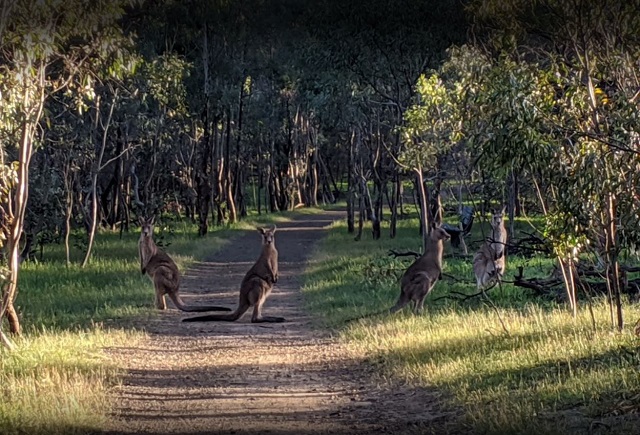
This beautiful remnant forest has a network of relatively flat walking tracks, including the Boundary Track around the perimeter and paths through the interior of the reserve.
Eastern grey kangaroos are commonly seen in the open grassland areas, particularly early in the morning and late in the afternoon. The reserve also provides habitat for wombats, reptiles and many species of birds.
The Grasslands Track is particularly rewarding for kangaroo spotting.
Distance: Approximately 3km around the main reserve, with shorter options available.
Difficulty: Easy.
Family highlight: Seeing kangaroos in their natural habitat.
Darebin Parklands (Alphington)
Darebin Parklands offers a wonderful bushland experience close to Melbourne's inner suburbs.
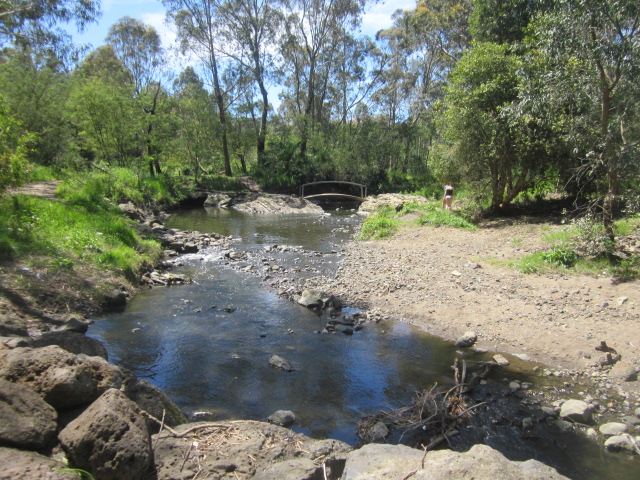
The parklands follow Darebin Creek through a landscape of rocky outcrops, native vegetation, wetlands and grassy hillsides.
This remarkable environment was created through the rehabilitation of former quarry and landfill areas.
Walking trails provide opportunities to explore the creek, discover interesting rock formations and look for native birds and other wildlife.
Features include stepping stones across the creek, historical olive trees, sculptures and attractive lookout points.
The Darebin Creek Trail also passes through the reserve, allowing families to extend their walk.
Distance: Approximately 2.9km for a loop around the parklands.
Difficulty: Easy to moderate, depending on the route.
Family highlight: Creekside exploring, stepping stones and varied natural scenery.
Outer North
Plenty Gorge Parklands (South Morang)
Plenty Gorge Park is one of Melbourne's most impressive bushland areas, featuring rugged gorges, steep hillsides, rocky outcrops, wetlands and beautiful woodland.

The park follows the Plenty River through Melbourne's northern suburbs and offers a variety of walking experiences.
Popular areas include:
- Yellow Gum Recreation Area: A popular destination for bushwalking around the beautiful Blue Lake and surrounding woodland.
- Morang Wetlands: An interesting area for birdwatching and exploring wetland environments.
- Hawkstowe Picnic Area: A useful starting point for walks through bushland beside the Plenty River.
- Red Gum Car Park: Provides access to walking tracks leading towards the Morang Wetlands and Hawkstowe Picnic Area.
For a specific walking route, see the Plenty Gorge Blue Lake Circuit Walk.
Distance: Various routes and distances.
Difficulty: Easy to challenging, depending on the area.
Family highlight: Blue Lake, wildlife, wetlands and dramatic gorge scenery.
North East
Currawong Bush Park (Doncaster East)
Currawong Bush Park Walks explore a 59-hectare bushland reserve with tracks through native vegetation, open grassland and woodland.
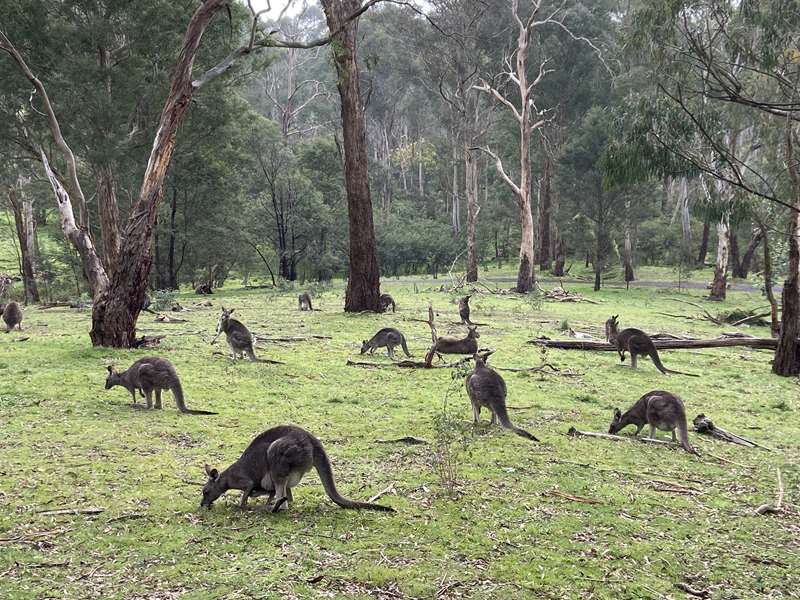
Kangaroos are frequently seen around the park, particularly early and late in the day.
The reserve also features interesting sculptures and opportunities to learn about native plants and wildlife.
Self-guided walking options include:
- Discovery Circuit: Approximately 2km, with opportunities to learn about wildlife and the natural environment.
- Forest Circuit: Approximately 3.7km, exploring different forest habitats.
- Currawong Bush Park to Mullum Mullum Creek Walk: Approximately 6.5km through bushland and creek environments, better suited to older children and confident walkers.
Distance: Approximately 2km to 6.5km.
Difficulty: Easy to moderate.
Family highlight: Kangaroo spotting and exploring native bushland.
Pound Bend, Warrandyte State Park (Warrandyte)
Pound Bend River Walk offers an enjoyable combination of bushwalking, wildlife and gold-mining history.
The lightly wooded landscape is dominated by the Yarra River as it winds through the Warrandyte Gorge.
The walk follows the river through attractive bushland and provides an opportunity to visit the historic Pound Bend Tunnel.
In 1870, the Evelyn Tunnelling and Mining Company excavated a 145-metre tunnel through solid rock to divert the Yarra River and expose part of the riverbed for gold mining.
The walk also offers opportunities to see native birds and occasionally koalas resting in the trees.
Some sections have uneven surfaces and slopes.
Distance: Approximately 3.5km.
Difficulty: Moderate.
Family highlight: Historic gold-mining tunnel, river scenery and wildlife.
Outer East and Dandenong Ranges
Sherbrooke Forest (Sherbrooke)
Sherbrooke Forest Walks are among Melbourne's most magical bushwalking experiences.
Part of the Dandenong Ranges National Park, the forest features towering Mountain Ash trees, lush fern gullies, moss-covered logs and dense vegetation.
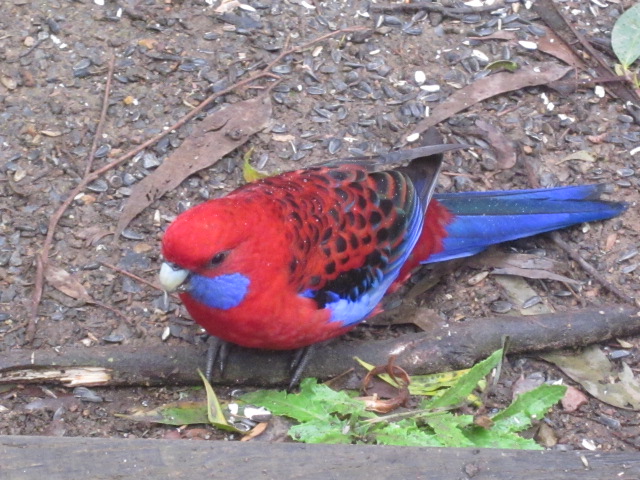
The forest is particularly famous for its superb lyrebirds. Listen for their remarkable calls and mimicry as you explore the tracks.
Popular walks include:
- Sherbrooke Falls Walk: Approximately 2.4km return through Mountain Ash forest and fern gullies. The falls are particularly impressive after rain.
- Hardy Gully Nature Walk: Approximately 700m, providing a shorter forest experience near Grants Picnic Ground.
- Margaret Lester Forest Walk: Approximately 300m, a short, hard-surfaced walk suitable for families seeking an easier introduction to the forest.
- Eastern Sherbrooke Forest Walk: Approximately 7.1km, a more demanding circuit through tall forest, best suited to older children and experienced walkers.
Distance: Approximately 300m to 7.1km.
Difficulty: Easy to challenging, depending on the route.
Family highlight: Giant trees, fern gullies, waterfalls and lyrebirds.
Bird feeding at Grants Picnic Ground is no longer permitted.
Redwood Forest (Warburton East)
Redwood Forest is one of the most unusual forest destinations near Melbourne.
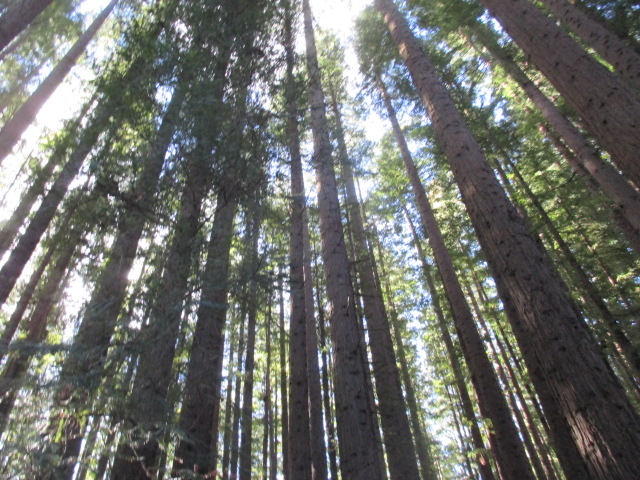
Rows of towering Californian redwood trees create a magical atmosphere, with enormous trunks rising from the forest floor.
Walking paths allow visitors to explore the plantation and surrounding natural environment.
The forest is particularly popular with families because of its extraordinary scenery and opportunities for photography.
Recent improvements include formalised walking trails, accessible paths, boardwalks, viewing platforms, a visitor shelter and public toilets.
Visitors should remain on designated paths to protect the sensitive forest environment.
Parking is limited and the area can become extremely busy on weekends and public holidays.
Distance: Short walks of varying lengths.
Difficulty: Easy on designated accessible paths, with other natural surfaces.
Family highlight: Walking among enormous redwood trees.
North West
Organ Pipes National Park (Keilor North)
Organ Pipes National Park is an excellent destination for families interested in geology and unusual natural formations.
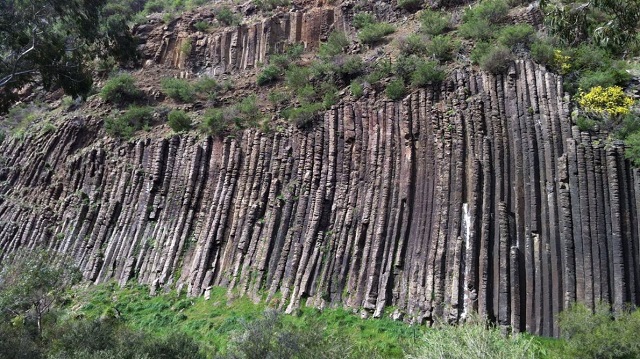
The park's famous Organ Pipes are tall basalt columns formed when ancient lava cooled and cracked.
Other interesting geological features include Rosette Rock and the Tessellated Pavement.
Several short walks explore the valley and its distinctive formations.
The main challenge is the steep paved road descending from the car park into the valley. Families must climb back up the same hill at the end of their visit.
Once in the valley, the walking is relatively easy.
Distance: Approximately 700m to 1.3km, depending on the route.
Difficulty: Easy to moderate, with a steep descent and return climb.
Family highlight: Spectacular volcanic rock formations.
Long Forest Flora and Fauna Reserve (Long Forest)
Long Forest Flora and Fauna Reserve is a fascinating bushland reserve between Melton and Bacchus Marsh.
The reserve protects unusual Mallee vegetation, more commonly associated with the drier regions of north-western Victoria.
Walking through the reserve provides opportunities to discover this distinctive landscape, together with native birds and other wildlife.
Walking options include:
- Moonah Track: Approximately 1.5km return, an easier walk suitable for younger children.
- Djerriwarrh Track: Approximately 3km return.
- Happy Valley Track: Approximately 4km return.
- Coimadai Circuit: Approximately 5km.
- Old House Track Circuit: Approximately 5km.
- Combined Walk: Approximately 10km for families seeking a longer adventure.
Distance: Approximately 1.5km to 10km.
Difficulty: Easy to moderate, depending on the route.
Family highlight: Unusual Mallee vegetation and peaceful bushland.
Lerderderg State Park (Darley)
Lerderderg State Park is a wonderful destination for adventurous families, featuring rugged bushland, steep gorges and the beautiful Lerderderg River.
The river has carved a deep gorge through sandstone and slate, creating some spectacular scenery.
One of the most interesting shorter walks is the route from Mackenzies Flat Picnic Area towards Grahams Dam.
The track follows the river through native bushland and may require crossing the river.
The route is particularly enjoyable when water levels are low, but crossings can become dangerous following rain.
Never attempt to cross the river when water is flowing strongly or conditions are uncertain.
There are also numerous longer and more challenging walks throughout the park, including the Lerderderg Tunnel Walk and O'Briens Crossing Circuit Walk.
Distance: Approximately 2km return to Grahams Dam.
Difficulty: Moderate, with river crossings dependent on conditions.
Family highlight: Rugged river scenery and adventurous bushwalking.
Werribee Gorge (Bacchus Marsh)
Werribee Gorge Falcons Lookout Walk offers some of the most spectacular and challenging bushwalking within easy reach of Melbourne.
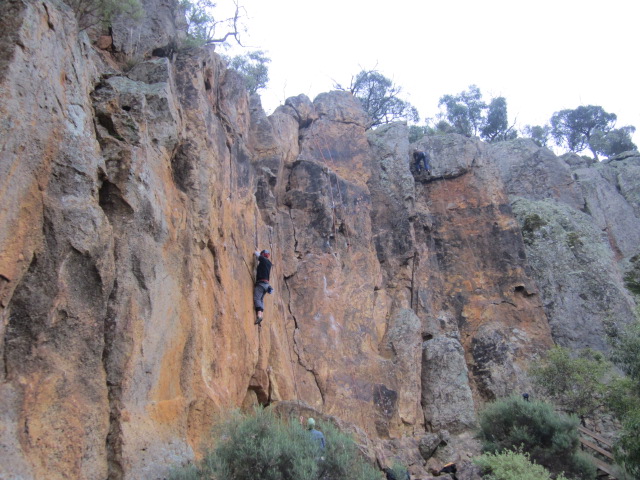
The gorge features steep rocky slopes, dramatic cliffs, rugged woodland and beautiful views over the Werribee River.
Popular walking options include:
- Ironbark Gorge Walk to Falcons Lookout: Approximately 3km return, with impressive gorge views and the opportunity to watch rock climbers on nearby cliffs.
- Short Circuit Walk: Approximately 5km through rocky woodland and gorge scenery.
- Centenary Walk: Approximately 4km return, including steep climbing and panoramic views.
- River Walk: Approximately 3km return, following part of the old aqueduct route.
- Werribee Gorge Circuit Walk: Approximately 10km, a demanding circuit with steep rocky terrain, scrambling and sections assisted by a cable handrail.
Families with young children should avoid the exposed and technically challenging sections.
Distance: Approximately 3km to 10km.
Difficulty: Moderate to challenging.
Family highlight: Dramatic gorge scenery, rocky cliffs and spectacular views.
South East
Braeside Park (Braeside)
Braeside Park is a large conservation park with a wonderful variety of natural environments.
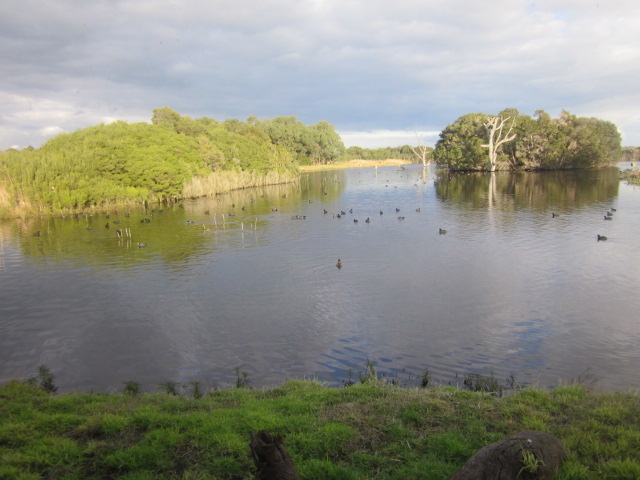
Walking trails pass through wetlands, heathland and red gum woodland, providing opportunities to see native plants and wildlife.
The park is particularly popular with birdwatchers because of its wetland habitats.
A network of relatively easy walking tracks makes it an excellent destination for families with younger children.
The shorter Heathland Trail provides an introduction to the park's distinctive vegetation.
Other attractions include picnic facilities, interesting sculptures and a playground.
Distance: Approximately 7km of walking trails, including shorter options.
Difficulty: Easy.
Family highlight: Wetlands, birdwatching and exploring different natural habitats.
South West
Point Cook Coastal Park (Point Cook)
Point Cook Coastal Park offers a distinctive coastal bushwalking experience, combining saltmarsh vegetation, wetlands and views across Port Phillip Bay.
The park includes the extensive Cheetham Wetlands, an important habitat for many species of birds.
Walking trails explore the coastal landscape and provide opportunities for birdwatching.
The Cheetham Wetlands lookout is a particularly interesting destination, with sweeping views across the surrounding lagoons.
The landscape is quite exposed, so bring sun protection and be prepared for windy conditions.
Distance: Various walks, including routes of approximately 4km.
Difficulty: Easy to moderate.
Family highlight: Coastal scenery, wetlands and birdwatching.
You Yangs Regional Park (Lara)
You Yangs Regional Park is one of the most spectacular bushwalking destinations west of Melbourne.
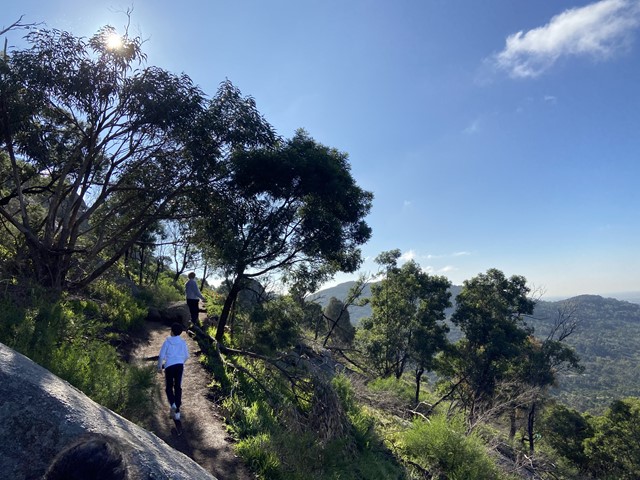
The park's enormous granite peaks rise dramatically above the surrounding plains, creating a landscape of rocky hills, woodland and impressive viewpoints.
Walking options include:
- Big Rock Walk: Approximately 3km, an easier walk exploring impressive granite formations.
- East-West Walk: Approximately 4.5km, a challenging circuit with magnificent views.
- Flinders Peak Walk: Approximately 3.2km return, involving around 450 steps to reach the highest point in the park.
- Branding Yard Trail: Approximately 5km through woodland.
- Northern Range Walk: Approximately 3.5km, including some steep gradients and rewarding views.
Families with younger children may prefer the shorter and less demanding walks around Big Rock.
Distance: Approximately 3km to 5km.
Difficulty: Easy to challenging, depending on the route.
Family highlight: Giant granite formations and spectacular views from Flinders Peak.
Mornington Peninsula
The Briars (Mount Martha)
The Briars is one of the Mornington Peninsula's best destinations for families interested in wildlife and nature walks.
The property includes a large wildlife sanctuary with woodland, wetlands, boardwalks and bird hides.
There are several walking options:
- Wetland Walk: Approximately 2km through wetlands and past bird hides.
- Woodland Walk: Approximately 4km through native vegetation and varied woodland habitats.
- Balcombe Creek Walkway: Approximately 1.6km return.
- Harrap Creek Walkway: Approximately 1.7km return.
The shorter trails are ideal for families with younger children.
The Briars also has historic buildings and other attractions that can be combined with a bushwalk.
Distance: Approximately 1.6km to 4km.
Difficulty: Easy to moderate.
Family highlight: Wildlife sanctuary, wetlands and bird hides.
Bushrangers Bay Walk (Cape Schanck)
Bushrangers Bay Walk is one of the most spectacular coastal bushwalks on the Mornington Peninsula.
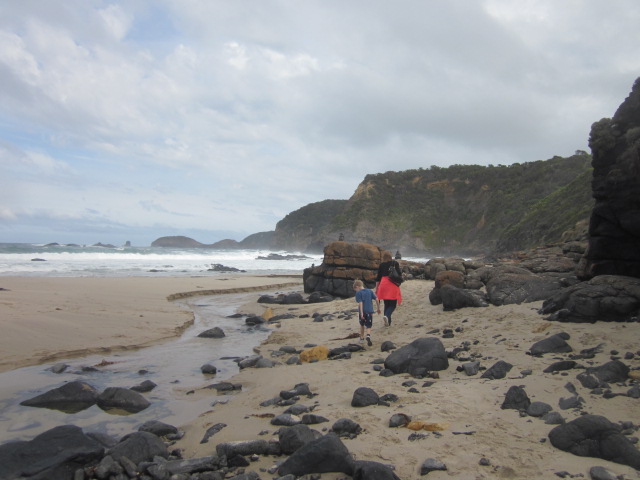
The track begins near Cape Schanck Lighthouse and follows the coastline through coastal vegetation towards Bushrangers Bay.
Along the way, walkers enjoy wonderful views over Bass Strait, dramatic cliffs and rugged coastal scenery.
The destination is a beautiful sandy beach surrounded by imposing basalt cliffs.
The route includes uneven ground, slopes and steps, making it more suitable for older children who are comfortable with moderately challenging walks.
The beach is exposed to dangerous surf and strong currents and is not suitable for swimming.
Distance: Approximately 5.2km return from Cape Schanck.
Difficulty: Moderate.
Family highlight: Spectacular coastal scenery and the dramatic beach at Bushrangers Bay.
Tips for Bushwalking with Kids
A little preparation can make bushwalking much more enjoyable for the whole family.
- Start small: Choose shorter walks for younger children and gradually increase distances as they gain confidence.
- Allow extra time: Children often enjoy stopping to investigate interesting plants, insects, rocks and wildlife.
- Bring plenty of water: Carry enough drinking water for everyone, especially during warmer weather.
- Pack snacks: A picnic or snack break can be a great reward along the trail.
- Wear suitable shoes: Enclosed shoes with good grip are important on uneven and slippery tracks.
- Dress for the conditions: Bring hats, sunscreen, insect repellent and warm clothing when necessary.
- Check the weather: Avoid exposed tracks during extreme heat, storms or dangerous fire conditions.
- Stay on marked paths: This helps protect the natural environment and reduces the risk of getting lost.
- Be careful near water: Never attempt unsafe river crossings or allow children to approach dangerous cliffs and waterways.
- Respect wildlife: Observe animals from a distance and never feed them.
Discover More Family Walks
Looking for more places to explore?
Our The Best Family Walks in Melbourne guide covers a wider variety of walking experiences, including landscaped gardens, city parks, bayside paths, art trails, riverside walks and rail trails.
You can also use the Sport & Recreation Activity Fast Finder to search for walking activities near any suburb in Melbourne. Select 'Walking' from the activity drop-down menu.
With so many wonderful forests, bushland reserves, gorges and coastal landscapes to discover, there is always another family bushwalking adventure waiting just beyond Melbourne's suburbs.
Web Links
→ 50 Best Waterfalls in Melbourne and Victoria for Families
→ Bike or Walk a Rail Trail
→ The Best Family Walks in Melbourne


