Best Places to See Wildflowers in Melbourne and Regional Victoria


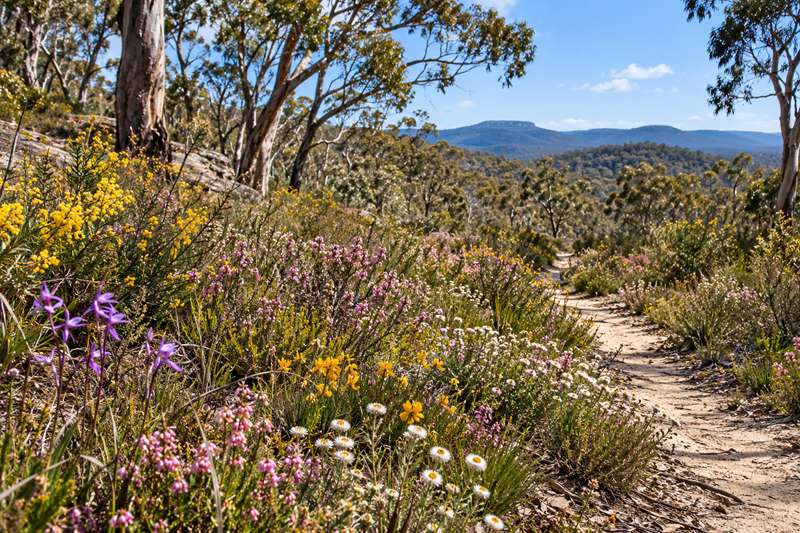
Spring is one of the most beautiful times to explore Victoria, when forests, grasslands, heathlands and coastal reserves burst into colour with native wildflowers.
From delicate native orchids and colourful lilies to golden wattles, purple peas, pink heath and flowering banksias, Victoria has an extraordinary variety of wildflowers growing in their natural habitats.
Many wonderful wildflower locations are surprisingly close to Melbourne, while others provide an excellent excuse for a family day trip or weekend away.
The main wildflower season generally runs from August to November, although flowering times vary considerably depending on the region, species, rainfall and temperature. In Victoria's alpine areas, spectacular wildflower displays continue into summer.
Here are some of the best places to see wildflowers in Melbourne and regional Victoria.
Best Places to See Wildflowers in Melbourne
You don't have to travel far from Melbourne to discover beautiful native wildflowers. Several suburban conservation reserves protect remnant grasslands, heathlands and forests containing rare and fascinating plants.
Baluk Willam Flora Reserve (Belgrave South)
Baluk Willam Flora Reserve is one of Melbourne's outstanding destinations for native orchids.
The reserve protects significant native vegetation and supports an extraordinary diversity of orchid species, including spider orchids, greenhoods and other delicate flowering plants.
Walking tracks wind through the bushland, allowing visitors to explore the reserve and search for flowers among the grasses, shrubs and trees.
Best Time: September to November, particularly October.
Wildflowers: Native orchids, heath, peas and other woodland flowers.
Family Experience: Bushwalking and searching for orchids along established tracks.
Blind Bight Foreshore Reserve (Blind Bight)
Blind Bight Foreshore Reserve protects coastal bushland beside Western Port Bay.
During spring, the reserve is known for displays of indigenous orchids and wildflowers growing among its heathland and woodland vegetation.
Walking tracks provide opportunities to explore the reserve while observing birds and other native wildlife.
Best Time: September to November.
Wildflowers: Orchids, heathland flowers and coastal native plants.
Family Experience: Nature walks, birdwatching and wildflower photography.
Evans Street Native Grassland (Sunbury)
Evans Street Native Grassland is a remarkable four-hectare remnant of Victoria's once extensive native grasslands.
The reserve contains almost 130 native plant species, including colourful wildflowers growing among swathes of Kangaroo Grass.
Unlike forest wildflowers, grassland flowers are often small and delicate, so visitors are rewarded for slowing down and looking carefully.
A gravel path beside the reserve makes it possible to appreciate the vegetation without walking through sensitive areas.
Best Time: October to February.
Wildflowers: Native grassland daisies, lilies and other flowering herbs.
Family Experience: Gentle walking and discovering native grassland plants.
Koolunga Native Reserve (Ferntree Gully)
Koolunga Native Reserve is a small but attractive bushland reserve in Melbourne's eastern suburbs.
The reserve contains a variety of native vegetation, and visitors can discover seasonal wildflowers growing in the grassy areas and beneath the trees.
It is a pleasant destination for a short nature walk, particularly during October when different plants are flowering.
Best Time: September to November.
Wildflowers: Native woodland and grassland flowers.
Family Experience: Short bushwalks and nature exploration.
Langwarrin Flora and Fauna Reserve (Langwarrin)
The 214-hectare Langwarrin Flora and Fauna Reserve protects an important area of native bushland on Melbourne's southeastern fringe.
The reserve contains diverse woodland and heathland vegetation, providing excellent opportunities to discover native orchids, flowering shrubs and other wildflowers.
An extensive network of walking tracks also allows visitors to explore the reserve's fascinating military history.
Best Time: September to November.
Wildflowers: Orchids, peas, heathland flowers and flowering shrubs.
Family Experience: Bushwalking, wildlife spotting and exploring historic features.
Matthews Hill Grassland (Sunshine)
Matthews Hill Grassland protects an important remnant of the Victorian Volcanic Plain grasslands.
The reserve supports native grasses, ferns, mosses and a variety of wildflowers that are characteristic of these increasingly rare grassland habitats.
During spring and early summer, small native daisies and other flowers appear among the grasses, creating a fascinating natural landscape.
Best Time: September to December.
Wildflowers: Native daisies, grassland herbs and flowering grasses.
Family Experience: Observing rare native grassland vegetation.
Best Wildflower Day Trips from Melbourne
Within approximately two hours of Melbourne, several outstanding natural areas provide excellent opportunities to see wildflowers in their natural environment.
Brisbane Ranges National Park (Staughton Vale and Anakie)
Brisbane Ranges National Park is one of Victoria's premier wildflower destinations.
The park protects an extraordinary variety of native vegetation, including hundreds of plant species. During spring, the bushland comes alive with colourful wattles, hakeas, bush peas, native heath and orchids.
Visitors can explore the park along numerous walking tracks, including the Anakie Gorge Walk, which passes through attractive native bushland and rocky landscapes.
The park is particularly rewarding for visitors who enjoy searching for small orchids and other delicate flowers.
Best Time: August to November, particularly September and October.
Wildflowers: Orchids, wattles, bush peas, hakeas, heath and grasstrees.
Family Experience: Bushwalking, picnicking and wildflower photography.
Conglomerate Gully Reserve (Riddells Creek)
Conglomerate Gully Reserve is an excellent location for discovering wildflowers and orchids in the Macedon Ranges.
A 2.9 km walking track passes through heathy dry forest and grassy woodland, with rocky outcrops, a creek and scenic views across the surrounding countryside.
The reserve is particularly well known for its native orchids, which can be found near the entrance and along the walking route.
Best Time: September to December, with many orchids flowering from late October onwards.
Wildflowers: Native orchids, heath, peas and woodland wildflowers.
Family Experience: A scenic bushwalk with opportunities to spot orchids and wildlife.
Lerderderg State Park (Blackwood and Bacchus Marsh)
The bushland of Lerderderg State Park offers colourful spring wildflower displays, particularly in the forests and open woodland surrounding the Lerderderg River.
Wattles, native peas, heath and orchids can be found in suitable habitats throughout the park.
For an interesting bushwalking experience, explore the tracks around O'Brien's Crossing or follow part of the historic water races described in Lerderderg - O'Brien's Crossing Walks.
The remote Lerderderg campground area near Upper Chadwick Track is another location highlighted by Parks Victoria for spring flowers.
Best Time: September to October.
Wildflowers: Wattles, native peas, heath and orchids.
Family Experience: Bushwalking, picnicking and exploring gold rush history.
Seymour Bushland Reserve (Seymour)
Seymour Bushland Reserve is an excellent location for a family wildflower walk.
The reserve protects significant Box-Ironbark forest and features walking tracks, boardwalks and areas where native orchids and wildflowers flourish.
During spring, yellow flowers are particularly prominent in parts of the reserve.
The combination of wildflowers, birdlife and accessible walking opportunities makes this a rewarding nature destination.
Best Time: September to November.
Wildflowers: Orchids, wattles, native peas and woodland flowers.
Family Experience: Bushwalking, birdwatching and exploring native forest.
Boulton Flora Reserve (Tallarook)
Boulton Flora Reserve is a native bushland reserve in Mitchell Shire renowned for its seasonal wildflower displays.
Informal walking tracks allow visitors to explore the reserve and discover native flowering plants in a natural bushland setting.
It is also a worthwhile location for birdwatching and enjoying the peaceful surroundings.
Best Time: September to November.
Wildflowers: Seasonal woodland wildflowers.
Family Experience: Nature walks, wildflower photography and birdwatching.
Wildflowers Along the Great Ocean Road and Surf Coast
The coastal heathlands around Anglesea and Aireys Inlet are among the most botanically diverse areas in Victoria.
Anglesea Heath (Anglesea)
Anglesea Heath is one of Victoria's most spectacular wildflower destinations.
The heathland is renowned for its extraordinary biodiversity, with approximately one-quarter of Victoria's plant species represented in the area, including more than 80 orchid species.
During spring, the landscape becomes a colourful tapestry of flowering heath, orchids, peas, banksias and other native plants.
Some of the best wildflower areas can be reached from Bambra-Aireys Inlet Road and Bald Hills Road.
For a walking experience, explore the Shiney Eye Circuit Walk or the Yan Wirring Mirr Loop Walk.
Best Time: September to November, with some species flowering later.
Wildflowers: Orchids, heath, banksias, wattles, peas and flowering shrubs.
Family Experience: Heathland walks, orchid spotting and birdwatching.
Moggs Creek Coastal Heathland (Moggs Creek)
The Moggs Creek Coastal Heathland Walk is a pleasant 1.5 km circuit through coastal vegetation near the Great Ocean Road.
The walking track passes through heathland and leads to an elevated lookout with views towards the Southern Ocean.
Spring is a particularly attractive time to explore the heathland, with seasonal flowers adding colour to the coastal landscape.
Best Time: September to November.
Wildflowers: Coastal heath, banksias, native peas and flowering shrubs.
Family Experience: Short coastal bushwalk with ocean views.
Best Places to See Wildflowers in Regional Victoria
Regional Victoria contains some of Australia's richest wildflower habitats, from the Box-Ironbark forests of the Goldfields to the sandstone mountains of the Grampians and the open landscapes of the Mallee.
Greater Bendigo National Park (Bendigo)
Greater Bendigo National Park is famous for its colourful spring wildflower displays.
The park protects extensive Box-Ironbark forests, where golden wattles, wax-flowers, orchids and other native plants bloom beneath the trees.
Wildflower Drive, southeast of Bendigo, is a particularly worthwhile location for viewing the seasonal displays.
The surrounding bushland provides opportunities for walking, photography and discovering the region's natural and gold mining heritage.
Best Time: August to October, particularly September and October.
Wildflowers: Wattles, wax-flowers, orchids and native peas.
Family Experience: Scenic drives, woodland walks and picnicking.
Paddys Ranges State Park (Maryborough)
Paddys Ranges State Park is one of Central Victoria's best-known destinations for spring wildflowers.
The park supports around 30 different types of orchids, together with a variety of other flowering woodland plants.
Walking tracks pass through the Box-Ironbark forest, and the park is also renowned for its native birds and historic gold mining remains.
Visitors can combine wildflower spotting with a picnic or a bushwalk.
Best Time: September to November.
Wildflowers: Orchids, wattles, peas and woodland wildflowers.
Family Experience: Bushwalking, birdwatching and exploring gold rush relics.
Kara Kara National Park (Stuart Mill and St Arnaud)
Kara Kara National Park protects a large area of Box-Ironbark forest in northwestern Victoria.
During spring, native flowering plants add colour to the woodland landscape, with wattles and other wildflowers providing seasonal interest.
The park offers opportunities for bushwalking, scenic drives, picnicking and discovering native wildlife.
Best Time: September to November.
Wildflowers: Wattles, native peas, orchids and woodland flowers.
Family Experience: Bushwalking, wildlife spotting and scenic forest drives.
Chiltern-Mount Pilot National Park (Chiltern)
Chiltern-Mount Pilot National Park protects extensive Box-Ironbark forests in northeastern Victoria.
During spring, the woodland floor comes alive with seasonal flowers, including orchids and other native plants.
Walking routes include the White Box Walking Track and the Magenta Mine Walk, which combines natural scenery with gold mining history.
Best Time: September to November.
Wildflowers: Orchids, wattles, peas and Box-Ironbark woodland flowers.
Family Experience: Forest walks, birdwatching and gold rush history.
Beechworth Historic Park (Beechworth)
Beechworth Historic Park is a beautiful location for spring wildflowers among granite outcrops and historic gold mining landscapes.
Purple, yellow and white flowers appear throughout the bushland surrounding the Gorge Scenic Drive.
The Beechworth Gorge Walk provides opportunities to see seasonal wildflowers while discovering scenic viewpoints, cascades and historic mining features.
Best Time: September to early October.
Wildflowers: Woodland wildflowers, native peas and orchids.
Family Experience: Scenic walking, historic sites and nature photography.
Note: Spring Creek Bridge is closed, so the full Gorge Walk circuit cannot currently be completed. Shorter return walks remain available.
Grampians (Gariwerd) National Park (Halls Gap)
The Grampians is one of Victoria's most celebrated wildflower destinations, with an extraordinary diversity of native plants growing across its sandstone ranges, forests and heathlands.
During spring, colourful orchids, heath, grevilleas, banksias, native peas and other flowers appear throughout the landscape.
Popular walking locations include:
- Clematis Falls Walk - a scenic walk with seasonal flowers and opportunities to spot wildlife
- Mount Zero Walk - excellent wildflower and orchid displays in early spring
- The Pinnacle Walk - sandstone landscapes and spring wildflowers
- Mount Rosea Walk - mountain scenery and seasonal flowering plants
- Silverband Falls Walk - forest scenery and wildflowers during spring
Best Time: August to November, particularly September and October.
Wildflowers: Orchids, heath, grevilleas, banksias, peas and native daisies.
Family Experience: Bushwalking, wildlife spotting, scenic lookouts and waterfalls.
Wilsons Promontory National Park (Tidal River)
Wilsons Promontory National Park features beautiful coastal heathlands, open woodlands and diverse native vegetation.
During spring, wildflowers appear throughout the heathland and along many walking tracks.
The Millers Landing and Vereker Outlook areas are particularly rewarding for discovering flowering native plants while exploring the park's coastal and woodland habitats.
Visitors may also spot wombats, kangaroos and a variety of native birds.
Best Time: September to November.
Wildflowers: Coastal heath, banksias, native peas and flowering shrubs.
Family Experience: Coastal walks, wildlife spotting and nature photography.
Pink Lakes, Murray-Sunset National Park (Linga)
Murray-Sunset National Park is famous for its remarkable salt lakes, but the surrounding Mallee landscape also offers beautiful seasonal wildflower displays.
Following suitable winter rainfall, the open plains and sandhills can become covered with colourful native daisies, wattles and flowering pigface.
The combination of wildflowers, Mallee vegetation and the changing colours of the Pink Lakes makes this one of Victoria's most distinctive natural landscapes.
Best Time: Early September to mid-October.
Wildflowers: Pigface, native daisies, wattles and Mallee flowering plants.
Family Experience: Scenic drives, short nature walks and photography.
Terrick Terrick National Park (Mitiamo)
Terrick Terrick National Park protects significant native grassland and woodland habitats in northern Victoria.
The Davies Plains grasslands are particularly renowned for seasonal flowers, with colourful daisies, peas and lilies appearing across the open landscape.
Fabians Block, in the northwestern part of the grasslands, is highlighted by Parks Victoria as an excellent wildflower viewing location.
Access is via Ferris Road, off Mitiamo-Kow Swamp Road. Visitors must enter the grasslands on foot because the vehicle gates are locked.
Best Time: September.
Wildflowers: Native daisies, peas, lilies and grassland herbs.
Family Experience: Nature walks and observing native grassland habitats.
Alpine Wildflowers in Summer
While most Victorian wildflowers bloom during spring, the alpine regions have a later flowering season.
As the snow melts and temperatures rise, alpine meadows and heathlands become covered in colourful flowers.
Bogong High Plains (Falls Creek)
The Bogong High Plains are among Victoria's most beautiful locations for summer wildflowers.
During December and January, the alpine landscape comes alive with flowering snow daisies, everlastings, native peas and other plants adapted to the harsh mountain environment.
The historic huts and surrounding walking tracks provide wonderful opportunities to explore these colourful landscapes.
For a family-friendly introduction to the area, visit Wallaces Hut, reached by a short walk from Bogong High Plains Road.
Longer walking opportunities include the Wallace Cope Heritage Trail, which links historic huts and alpine scenery.
Best Time: December to January.
Wildflowers: Alpine daisies, everlastings, native peas and flowering heath.
Family Experience: Alpine walks, historic huts, picnicking and photography.
When Is the Best Time to See Wildflowers in Victoria?
The timing of wildflower displays depends on the location, altitude, rainfall and temperature.
As a general guide:
- August: Early wattles, heath and some orchids begin flowering in forests and woodlands
- September: Excellent displays across the Grampians, Brisbane Ranges, Goldfields forests and northern grasslands
- October: Peak flowering for many coastal heathlands, woodland orchids and native grassland species
- November: Later-flowering orchids, heathland plants and native daisies continue in many locations
- December to January: Alpine wildflowers reach their peak on the Bogong High Plains and other mountain areas
- January to February: Some native grassland flowers continue blooming, depending on seasonal conditions
Tips for Finding and Photographing Wildflowers
Wildflower spotting can be an enjoyable family activity, particularly when children are encouraged to look closely at the different shapes, colours and textures of native flowers.
- Walk slowly and look carefully, as many orchids and native flowers are surprisingly small
- Visit during the morning when the light is often suitable for photography
- Look along the edges of established walking tracks, where flowers may be easier to see
- Bring a camera or phone with a close-up photography setting
- Use a wildflower identification guide to discover the names of different species
- Keep children on walking tracks to protect delicate plants
- Never pick wildflowers, dig up orchids or remove native plants
- Avoid trampling vegetation when taking photographs
- Check park access, weather conditions and track closures before travelling
Wildflowers or Garden Flowers?
Wildflowers are native plants growing naturally in grasslands, forests, heathlands and other habitats.
Victoria also has many spectacular gardens where visitors can enjoy colourful spring flowering displays, including rhododendrons, azaleas, tulips, daffodils and other cultivated flowers.
For a different spring flower experience, explore the Best Places to Pick Flowers in Melbourne and Victoria.
Web Links
→ www.parks.vic.gov.au/things-to-do/wildflowers
→ www.parks.vic.gov.au/things-to-do/seasonal-ideas/spring-brings-new-life-in-nature


