Where to See Flying-Fox Colonies in Victoria


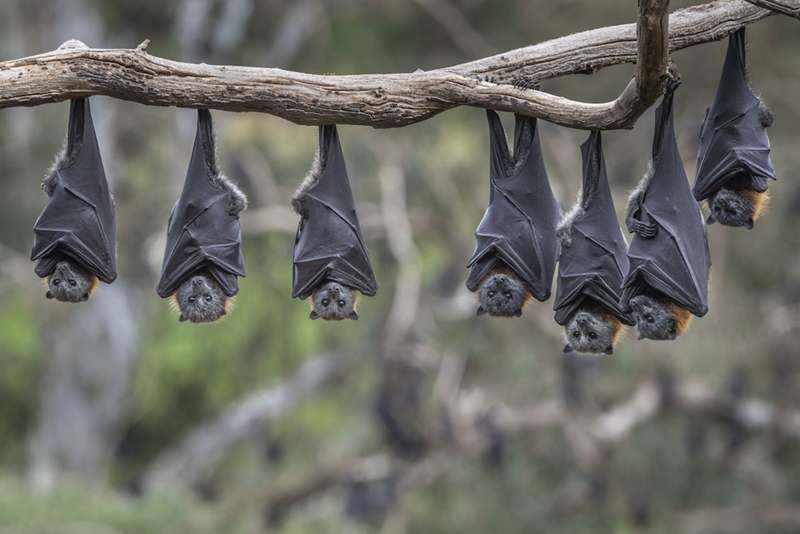
Victoria is home to several remarkable colonies of Grey-headed Flying-foxes, also known as fruit bats. These fascinating native mammals spend much of the day hanging upside down in trees before heading out at dusk to feed on nectar, pollen and fruit.
Watching hundreds or even thousands of flying-foxes take to the sky at sunset is an unforgettable wildlife experience. Some of Victoria's largest colonies are found surprisingly close to residential areas, in riverside parks, wetlands and botanic gardens.
Flying-foxes are important pollinators and seed dispersers, helping native forests regenerate and remain healthy.
Important: Flying-fox colonies are highly mobile. Some camps are occupied throughout the year, while others are seasonal or only used occasionally. Numbers can change dramatically depending on flowering conditions, food availability and the time of year. A known colony location does not guarantee flying-foxes will be present when you visit.
Best Time to See Flying-Foxes
The most spectacular time to visit is around sunset, when flying-foxes leave their daytime roosts to search for food. They can also be observed resting in trees during daylight hours.Tips for visiting:
- Arrive approximately 30 minutes before sunset to watch the evening fly-out
- Bring binoculars for a better view of animals resting in trees
- Keep noise levels low and remain on established walking paths
- Do not touch, feed or attempt to handle flying-foxes
- Never stand directly underneath roosting animals
- Check whether the colony is currently occupied before travelling a long distance
- Keep dogs away from roosting areas and obey local restrictions
Flying-Fox Colonies in Melbourne
Yarra Bend Park Flying-Fox Colony (Kew)
Bellbird Picnic Area and Yarra Boulevard, KewOne of Victoria's most famous flying-fox colonies occupies bushland beside the Yarra River at Yarra Bend Park. The permanent colony regularly supports thousands of Grey-headed Flying-foxes, with numbers often increasing considerably during summer.
The best viewing locations include Yarra Boulevard, Bellbird Picnic Area and Wills Street Lookout. The evening fly-out can be particularly spectacular as flying-foxes rise above the trees and head across Melbourne in search of food.
Colony status: Permanent, with numbers generally highest during summer.
Doveton Flying-Fox Colony (Doveton)
Dandenong Creek, near Myuna Farm, DovetonA large colony of Grey-headed Flying-foxes occupies vegetation along Dandenong Creek and its adjoining wetlands. The colony was established in 2013 and is one of Melbourne's important permanent roosting locations.
Flying-foxes can be found in native and introduced trees along the creek corridor, with numbers generally increasing during the warmer months.
Myuna Farm and the surrounding wetlands provide opportunities to explore the area, although access to particular roosting locations may be restricted.
Colony status: Permanent, with seasonal fluctuations in numbers.
Werribee Park Flying-Fox Colony (Werribee South)
Werribee Park, K Road, Werribee SouthGrey-headed Flying-foxes have used Werribee Park and adjoining private properties as a roosting location since 2015. The animals generally occupy tall trees, particularly pines, near Werribee Mansion and the Werribee River.
This colony is much less predictable than Yarra Bend, with flying-foxes sometimes absent during cooler months.
Colony status: Semi-permanent, generally more active during summer.
Flying-Fox Colonies in Regional Victoria
Bendigo - Rosalind Park Flying-Fox Colony
Rosalind Park, 30 Gaol Road, BendigoRosalind Park contains one of Victoria's most accessible urban flying-fox colonies. The bats primarily roost in the historic fernery and surrounding mature trees, including oaks and elms.
Unlike many Victorian colonies, numbers in Bendigo often increase during autumn and winter, particularly when surrounding eucalypt forests are flowering.
The colony can contain thousands of animals and occasionally expands into other parts of the park.
Colony status: Permanent, with numbers often highest during autumn and winter.
Colac - Botanic Gardens Flying-Fox Colony
Colac Botanic Gardens, Fyans Street, ColacThe beautiful Colac Botanic Gardens beside Lake Colac support a fluctuating colony of Grey-headed Flying-foxes. The animals roost in mature garden trees, including elms and oaks.
The colony first appeared in 2016 and has varied considerably in size. Numbers are generally greater during summer, although the camp is not occupied consistently.
Visitors can also enjoy the gardens, lake views and walking paths.
Colony status: Intermittent and seasonal.
Geelong - Eastern Park Flying-Fox Colony
Eastern Park Circuit, East GeelongGeelong has a permanent colony of Grey-headed Flying-foxes in Eastern Park, close to the Geelong Botanic Gardens.
The flying-foxes mainly roost in tall pine trees north of the East Geelong Golf Club and along Eastern Park Circuit. Thousands of animals can be present, particularly during summer.
The colony is recognised as nationally important. Visitors should remain on public paths and avoid disturbing animals resting near the road.
Colony status: Permanent, with larger numbers usually present during summer.
Sale - Lake Guthridge Flying-Fox Colony
Lake Guthridge and Lake Guyatt Parklands, SaleSale has a nationally important flying-fox colony centred on an island in Lake Guthridge. At times, the colony also extends into surrounding vegetation at Lake Guyatt Reserve and the Sale Botanic Gardens.
The colony is particularly impressive during warmer months, when many thousands of Grey-headed Flying-foxes may gather in the lakeside trees.
The surrounding parklands have walking paths and opportunities to observe the animals from a respectful distance.
Colony status: Seasonal, sometimes with longer periods of occupation.
Tatura - Cussen Park Flying-Fox Colony
Cussen Park, TaturaCussen Park is a large wetland and bushland reserve containing a significant flying-fox colony. Grey-headed Flying-foxes began roosting here in 2013, and the camp sometimes supports more than 10,000 animals.
The colony can be particularly impressive in autumn. Little Red Flying-foxes also occasionally join the Grey-headed Flying-foxes.
The park has walking tracks, wetlands and birdwatching opportunities.
Colony status: Established camp with substantial seasonal fluctuations.
Traralgon - Victory Park Flying-Fox Colony
Victory Park, Princes Highway, TraralgonVictory Park supports a seasonal colony of Grey-headed Flying-foxes in trees along Traralgon Creek.
Flying-foxes have used the park since 2013, with numbers varying from several hundred to several thousand during years when the camp is occupied.
The park also has attractive gardens, walking paths and picnic opportunities.
Colony status: Seasonal, generally occupied during warmer months.
Warrnambool - Botanic Gardens Flying-Fox Colony
Botanic Road, WarrnamboolA colony of Grey-headed Flying-foxes roosts in the mature trees of Warrnambool Botanic Gardens, including large English Oaks and Moreton Bay Figs.
Flying-foxes have used the gardens since at least 2013 and have remained throughout the year since 2018.
The colony is generally smaller than those at Yarra Bend, Geelong or Bendigo, with numbers often increasing during summer and autumn.
Colony status: Permanent, with seasonal changes in numbers.
Other Flying-Fox Colony Locations in Victoria
Several additional locations support flying-fox colonies, although their seasonal movements and viewing arrangements make them less predictable for visitors.Bairnsdale - Mitchell River Flying-Fox Colony
Mitchell River parklands, BairnsdaleA nationally important colony of Grey-headed Flying-foxes occupies riverside vegetation along the Mitchell River. The camp has been established since 2002 and has remained occupied throughout the year since 2020.
Numbers generally increase during spring and summer, and the colony can contain more than 10,000 flying-foxes.
Maffra - Macalister River Flying-Fox Colony
Macalister River, MaffraA seasonal flying-fox colony occupies trees along the Macalister River near Maffra. Established in 2014, the camp can contain thousands of animals during summer, with particularly large gatherings when nearby forests are flowering.
Numurkah - Broken Creek Flying-Fox Colony
Broken Creek, NumurkahGrey-headed Flying-foxes roost in River Red-gums and other trees along Broken Creek. Little Red Flying-foxes sometimes join them.
Numbers are often higher during autumn and winter. One of the best opportunities to observe the colony is at sunset from the southern side of the creek, without disturbing the animals.
Karbeethong - Flying-Fox Colony
Karbeethong, near MallacootaA nationally important seasonal camp occupies native vegetation around Karbeethong, near Mallacoota.
Thousands of Grey-headed Flying-foxes can gather during late summer and autumn when surrounding forests are flowering. Numbers can increase dramatically during particularly favourable flowering seasons.
Check Current Colony Locations
Before travelling, particularly to a seasonal camp, check the Victorian Government's flying-fox information and interactive monitoring map.Victorian Government - Flying-Fox Information and Monitoring Map
Victorian Government - Victoria's Flying-Fox Camps
Protecting Flying-Foxes
Grey-headed Flying-foxes are a threatened species and play an important role in maintaining healthy forests.Visitors can help protect flying-foxes by observing them from a distance, staying on designated paths and avoiding disturbance of their daytime roosts.
Never attempt to pick up or handle a flying-fox, even if it appears injured. Contact Wildlife Victoria on 03 8400 7300 for assistance.


