Guide to Marine Parks in Melbourne and Victoria

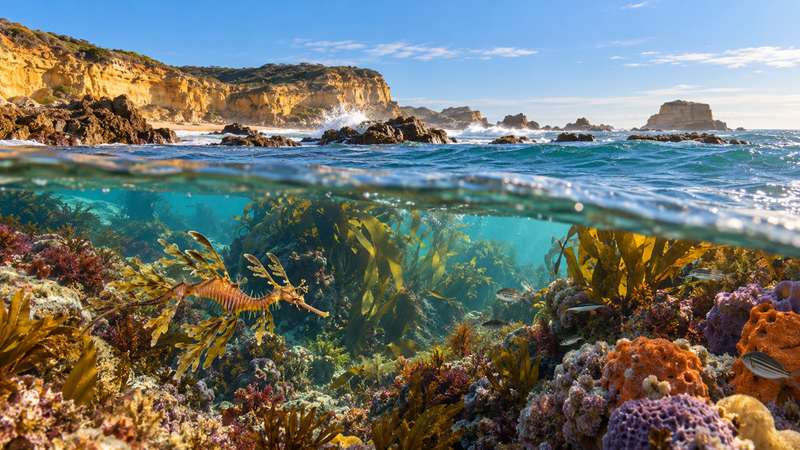
Victoria has some of Australia's most spectacular coastal scenery and marine environments, from the sheltered waters of Port Phillip Bay to the rugged cliffs of the Great Ocean Road and the remote coastline of East Gippsland.
Victoria has 13 Marine National Parks and 11 Marine Sanctuaries protecting important underwater habitats, reefs, seagrass beds, rockpools and marine wildlife.
These protected areas provide opportunities to explore Victoria's marine environment through coastal walks, rockpool discovery, wildlife watching, snorkelling, scuba diving and kayaking, depending on the location and conditions.
Marine National Parks and Marine Sanctuaries are strictly no-take areas. Fishing, spearfishing and collecting marine animals, plants, shells or other natural material are prohibited.
Marine Parks and Sanctuaries Around Melbourne and Port Phillip Bay
Jawbone Marine Sanctuary (Williamstown)
The sanctuary protects coastal reefs, seagrass beds, mangroves and intertidal habitats near Williamstown. The adjoining Jawbone Flora and Fauna Reserve has walking trails, wetlands and opportunities for birdwatching. The shoreline is also an interesting place to observe marine life at low tide.Point Cooke Marine Sanctuary (Point Cook)
Located beside Point Cook Coastal Park, this sanctuary protects intertidal reefs, seagrass beds and marine habitats along the western shoreline of Port Phillip Bay. Visitors can explore the surrounding coast and observe marine life in the shallow waters and rockpools.Ricketts Point Marine Sanctuary (Beaumaris)
One of Melbourne's best-known locations for discovering marine life, Ricketts Point has extensive rockpools and shallow reefs supporting colourful fish, crabs, sea stars, anemones and other creatures. It is a popular destination for rockpool exploration, snorkelling and coastal walks.Port Phillip Heads Marine National Park (Point Lonsdale, Queenscliff and Portsea)
This marine national park protects six separate areas around the entrance to Port Phillip Bay: Point Lonsdale, Point Nepean, Swan Bay, Mud Islands, Pope's Eye and Portsea Hole. The different sections protect rocky reefs, seagrass beds, underwater walls and important habitats for marine life. Some areas can be appreciated from coastal walking tracks and lookouts, while others are accessible mainly by boat or through organised diving activities.Mushroom Reef Marine Sanctuary (Flinders)
Located near Flinders on the Mornington Peninsula, Mushroom Reef has an extensive intertidal rock platform with an extraordinary variety of marine life. At low tide, visitors can explore the rockpools and discover crabs, sea stars, marine snails and colourful anemones. The reef is particularly interesting for families wanting to learn about coastal ecosystems.Western Port and Phillip Island
Churchill Island Marine National Park (Churchill Island)
Situated in Western Port, this marine national park protects the shallow waters, seagrass beds and mudflats surrounding Churchill Island and sections of Phillip Island. The area is particularly important for migratory shorebirds and other waterbirds. Visitors can enjoy coastal views and birdwatching from suitable shore-based locations.French Island Marine National Park (French Island)
Protecting extensive seagrass meadows, mudflats and mangrove habitats around French Island, this marine national park is an important feeding area for fish and migratory birds. Access is more limited than at many mainland marine parks, making it a relatively undisturbed natural environment.Yaringa Marine National Park (Cannons Creek)
Located on the north-western shores of Western Port, Yaringa protects tidal mudflats, mangrove forests, saltmarsh and seagrass habitats. These sheltered coastal environments support numerous waterbirds and marine species. The park is best appreciated through birdwatching and observing the natural environment from suitable public access points.Surf Coast and Great Ocean Road
Point Danger Marine Sanctuary (Torquay)
Located at the eastern end of Torquay's beaches, Point Danger protects an extensive limestone reef and intertidal rockpools. The exposed rock platforms provide opportunities to observe marine creatures at low tide, although visitors need to be particularly careful of waves and slippery surfaces.Barwon Bluff Marine Sanctuary (Barwon Heads)
Located near the mouth of the Barwon River, this sanctuary protects rocky reefs and a variety of marine habitats around the bluff. The nearby Barwon Heads Bluff Walk offers excellent coastal views and opportunities to appreciate the surrounding marine environment.Point Addis Marine National Park (Torquay and Anglesea)
Stretching along a spectacular section of the Surf Coast, this marine national park protects rocky reefs, underwater kelp forests and habitats for fish, sea dragons and other marine creatures. Coastal walking tracks and lookouts provide impressive views of the rugged coastline, while suitable sections are popular with experienced snorkellers and divers.Eagle Rock Marine Sanctuary (Aireys Inlet)
Situated around Eagle Rock near the Split Point Lighthouse, this sanctuary protects reefs and underwater habitats supporting diverse marine life. The surrounding coastline features dramatic cliffs, rock formations and scenic walking opportunities.Marengo Reefs Marine Sanctuary (Apollo Bay)
Located just offshore from Marengo, near Apollo Bay, this sanctuary protects rocky reefs, kelp forests and marine wildlife. Australian fur seals are frequently seen around the offshore rocks. The sanctuary can be viewed from the coast, while suitable guided tours may provide opportunities to observe the marine environment from the water.The Arches Marine Sanctuary (Port Campbell)
This offshore sanctuary protects spectacular submerged limestone formations, including underwater arches, caves and reefs. Its complex underwater landscape supports a variety of marine species. The sanctuary is primarily of interest to experienced divers and is not a general swimming or rockpool destination.Twelve Apostles Marine National Park (Port Campbell)
One of Victoria's most spectacular marine environments, the park protects the waters surrounding the famous Twelve Apostles and nearby limestone cliffs and rock formations. Visitors can enjoy magnificent coastal views from designated lookouts along the Great Ocean Road. The exposed coastline and powerful surf make many areas unsuitable for swimming.Merri Marine Sanctuary (Warrnambool)
Located near the mouth of the Merri River, this sanctuary protects offshore islands, reefs and surrounding marine habitats. The islands provide important habitat for seabirds, including little penguins. The surrounding coastline offers opportunities for wildlife watching and coastal sightseeing.Discovery Bay Marine National Park (Portland)
Located in far western Victoria, Discovery Bay protects a remote section of coastline featuring sandy seabeds, rocky reefs and rich marine habitats. The surrounding Discovery Bay Coastal Park is known for its sweeping beaches, dramatic coastal scenery and walking opportunities. Visitors should be aware that much of this coastline is exposed to powerful Southern Ocean conditions.Gippsland and Eastern Victoria
Bunurong Marine National Park (Cape Paterson)
Located between Cape Paterson and Inverloch, the park protects rocky reefs, intertidal platforms and diverse marine habitats. The surrounding coastline is famous for its fascinating rock formations and rockpools, making it an excellent area for coastal exploration and discovering marine life.Wilsons Promontory Marine National Park (Wilsons Promontory)
Protecting part of the spectacular coastline surrounding Wilsons Promontory, this marine national park features underwater granite formations, reefs, sponge gardens and marine caves. Much of the park is remote and best appreciated through suitable boating or diving activities. The adjoining national park offers many accessible coastal walks and scenic viewpoints.Corner Inlet Marine National Park (Yanakie)
Situated in the sheltered waters of Corner Inlet, this park protects extensive seagrass meadows and important marine habitats. The area is particularly significant for its underwater vegetation and the fish and other creatures that depend on these ecosystems.Ninety Mile Beach Marine National Park (Gippsland)
Located offshore from a section of the famous Ninety Mile Beach, this marine national park protects sandy seabeds and marine habitats that support a variety of fish and other species. The surrounding coastline is renowned for its seemingly endless sandy beaches and expansive ocean views. Strong currents and rough surf mean that swimming conditions require particular caution.Beware Reef Marine Sanctuary (Cape Conran)
Situated offshore near Cape Conran, Beware Reef is known for its rocky underwater environment and abundant marine life. Australian fur seals are often found around the reef. Due to its offshore location and exposed conditions, the sanctuary is primarily suited to experienced boat-based visitors and divers.Point Hicks Marine National Park (Cann River)
Located off the remote East Gippsland coastline near Point Hicks, this marine national park protects rocky reefs and diverse underwater habitats. The surrounding Croajingolong National Park provides spectacular coastal scenery, remote beaches and opportunities for bushwalking and wildlife watching.Cape Howe Marine National Park (Mallacoota)
Situated near the Victoria-New South Wales border, Cape Howe Marine National Park protects a remote marine environment where warm and cool ocean currents influence the variety of marine species. The adjoining wilderness coastline is spectacular but access is limited, and many areas require considerable planning to visit safely.Other Marine and Coastal Parks
The following coastal parks also offer opportunities to explore Victoria's marine environment. Unlike Marine National Parks and Marine Sanctuaries, they may allow a wider range of activities in designated areas, subject to local restrictions.
Corner Inlet and Nooramunga Marine and Coastal Parks (South Gippsland)
These coastal parks protect extensive tidal flats, mangroves, saltmarsh and sheltered waterways around Corner Inlet and Nooramunga. The area is particularly important for migratory birds and provides opportunities for boating, kayaking, fishing in permitted areas and wildlife watching.Shallow Inlet Marine and Coastal Park (Sandy Point)
Located near Wilsons Promontory, Shallow Inlet is a sheltered tidal waterway surrounded by sand dunes, saltmarsh and coastal vegetation. It is popular for boating, kayaking, fishing in permitted areas, birdwatching and other water-based recreation.Bunurong Coastal Reserve (Cape Paterson to Inverloch)
The spectacular Bunurong coastline features dramatic rock formations, coastal lookouts, beaches and fascinating rockpools. The coastal reserve provides access to several scenic locations, including areas adjoining Bunurong Marine National Park. Visitors should check the boundaries of protected areas before fishing or collecting anything.Tips for Visiting Marine Parks
- Check the tides: Low tide is generally the best time to explore rockpools, but always watch for rising water and changing conditions.
- Protect marine life: Observe creatures without removing, disturbing or damaging them. Leave rocks, shells, plants and animals where they are.
- No fishing or collecting: Marine National Parks and Marine Sanctuaries are no-take areas. Check the exact boundaries before undertaking any fishing activity nearby.
- Wear suitable footwear: Coastal rocks can be sharp, uneven and slippery.
- Watch the waves: Never turn your back on the ocean when exploring exposed rock platforms or beaches.
- Supervise children: Keep children close to an adult, particularly around deep rockpools, cliffs and exposed shorelines.
- Check access conditions: Some marine parks are offshore or have limited public access. Not every location is suitable for swimming or snorkelling.
- Respect wildlife: Keep a safe distance from seals, seabirds and other animals, and follow local rules regarding dogs and wildlife protection.
Web Links
→ Parks Victoria - Marine Protected Areas
→ Victorian Fisheries Authority


