Transport Information for Melbourne Visitors

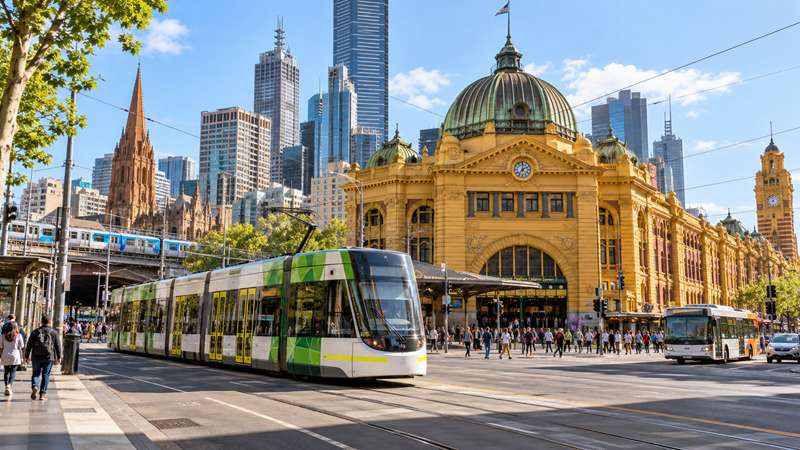
Melbourne has an extensive transport network of trains, trams, buses, ferries and regional services, making it relatively easy to explore the city and surrounding attractions without a car.
Whether you're visiting Melbourne for the first time, planning a family holiday or looking for the best way to reach an attraction, this guide explains how to get around, pay for public transport and travel to destinations throughout Victoria.
Public Transport in Melbourne
Melbourne's public transport network is operated by several companies and coordinated by Transport Victoria. Trains, trams and buses connect the city centre with suburbs, shopping centres, major attractions, sporting venues and regional transport services.The best starting point for planning a trip is the Transport Victoria Journey Planner, which provides public transport routes, connections and travel times.
Free Tram Zone
One of the best features of Melbourne's public transport network for visitors is the Free Tram Zone in the city centre.The zone covers much of Melbourne's CBD, including destinations around Flinders Street Station, Federation Square, Bourke Street Mall, Queen Victoria Market, Spring Street and parts of Docklands.
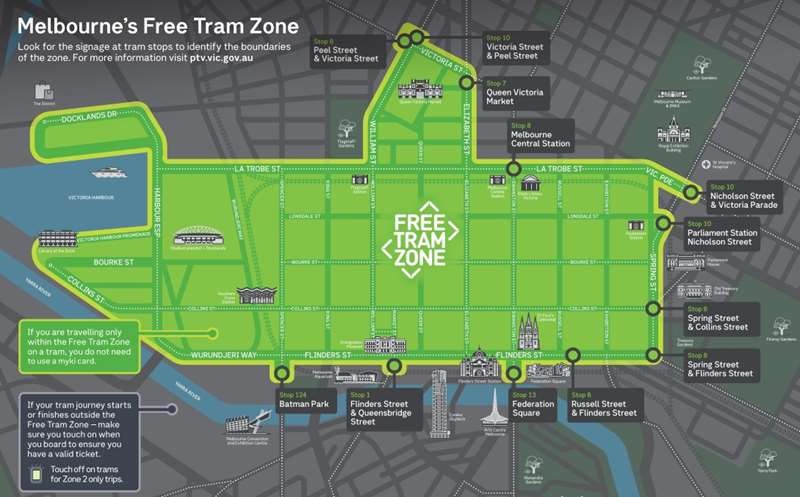
You can travel free on any tram while your entire journey remains within the Free Tram Zone.
- No myki card or other ticket is required for travel entirely within the Free Tram Zone
- Do not touch on or off when travelling entirely within the zone
- If your journey begins or finishes outside the Free Tram Zone, you must pay the appropriate fare
- Free tram travel does not include trains or buses
City Circle Tram - Route 35
The City Circle Tram is a popular free tourist service that travels around central Melbourne, passing many of the city's best-known landmarks.The service traditionally uses Melbourne's historic W-Class trams, offering visitors a chance to experience an important part of the city's transport heritage. Audio commentary provides information about landmarks and attractions along the route.
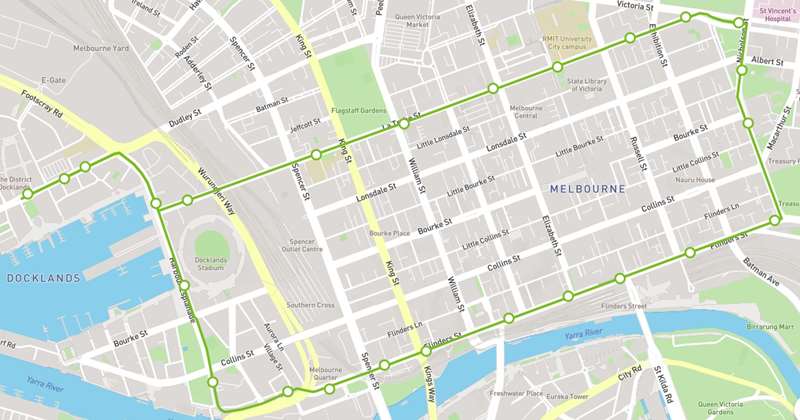
The service is particularly useful for visitors wanting to explore central Melbourne without paying for transport. You can get on and off at designated stops along the route.
See the City Circle Tram timetable and route information for current operating hours and service details.
Journey Planner
The Transport Victoria Journey Planner helps you find public transport connections between addresses, landmarks, attractions and transport stops.Enter your starting point and destination to see available services, travel times and connections. The planner can be particularly useful when visiting attractions outside central Melbourne, where a combination of train, tram and bus travel may be required.
The PTV mobile app also provides journey planning, departure information and service updates.
How to Pay for Public Transport
There are several ways to pay for Melbourne's trains, trams and buses.Contactless payments
Visitors can use an eligible Visa or Mastercard credit or debit card, or a compatible smartphone or smartwatch, to pay for travel on supported services.
- Touch on using your contactless bank card, phone or smartwatch
- Use the same card or device when touching off
- Do not switch between a physical card and a digital wallet version of the card during the same journey
- Contactless fares are the same as equivalent myki fares
- Concession passengers must meet the relevant requirements to obtain concession fares
myki Cards
A myki is a reusable public transport card that can be topped up with money or loaded with a travel pass.
Physical myki cards remain available for visitors who prefer not to use contactless bank card payments.
You can purchase and top up a myki at selected railway stations, ticket machines and participating retailers.
Mobile myki
Mobile myki is also available through Google Wallet on compatible Android devices.
See myki information for purchasing, topping up and using a myki.
myki Money and myki Pass
There are two main ways to use a myki.- myki Money - Pay as you go, with fares calculated according to your travel. This is generally suitable for tourists and occasional travellers
- myki Pass - Prepay for a period of regular travel. This may be worth considering if you intend to use public transport frequently over several days or weeks
Public Transport Fares and Zones
Melbourne's metropolitan public transport system uses fare zones.Zone 1 covers central Melbourne and much of the metropolitan area, while Zone 2 covers outer suburban areas. Some journeys involve travel through both zones.
Fares depend on the areas travelled, ticket type and eligibility for concessions. Daily fare caps limit the amount passengers pay for eligible travel.
Important: Victorian public transport fares are half price until 1 January 2027.
Rather than relying on fixed prices, check the current fares and ticketing information before travelling.
Children and Concession Travel
Victoria offers free or discounted travel for eligible children, young people, seniors and concession card holders.Children and young people under 18 can travel free on eligible Victorian public transport when using a valid Youth myki.
Special rules apply to children travelling without a ticket, concession entitlements and interstate visitors.
See current concession and youth travel information.
Touching On and Off
The rules depend on the transport service.- Trains - Touch on before travelling and touch off at your destination
- Buses - Touch on when boarding and touch off when leaving
- Trams in Zone 1 - Touch on, but you generally do not need to touch off
- Trams in Zone 2 - Touch on and touch off
- Free Tram Zone - Do not touch on or off when your entire tram journey is within the zone
Melbourne Transport Services
Trains
Melbourne's metropolitan trains provide transport between the CBD and suburbs in all directions.The network is particularly useful for visiting major shopping centres, sporting venues, beaches, parks and attractions located near railway stations.
The opening of the Metro Tunnel has significantly changed Melbourne's rail network.
Five new stations provide additional access to central Melbourne and surrounding areas:
- Arden
- Parkville
- State Library
- Town Hall
- Anzac
Visitors should use current network maps rather than older City Loop maps when planning their journeys.
See Melbourne train network maps and the Journey Planner.
Trams
Melbourne is famous for its extensive tram network, which connects the city centre with many inner suburbs and popular attractions.Trams are particularly convenient for visiting destinations such as:
- St Kilda and its beachfront attractions
- Melbourne Zoo
- Melbourne Museum and Carlton Gardens
- Melbourne's sporting precinct
- South Melbourne Market
- Shopping and dining precincts throughout the inner suburbs
See current tram network maps.
Buses
Melbourne has an extensive bus network connecting suburbs, shopping centres, railway stations, schools and recreational destinations.Buses are particularly important for attractions that are not within walking distance of a train station or tram stop.
Some bus routes also provide connections between suburbs without travelling through the CBD.
Use the Journey Planner to find the most suitable bus routes and connecting services.
Night Network
Melbourne's Night Network provides late-night public transport services, particularly on Friday and Saturday nights.Services include metropolitan trains, selected trams and buses, and some regional connections.
Night services are useful for visitors attending concerts, sporting events, theatre performances and other evening activities.
See late-night public transport information.
Accessible Public Transport
Many Melbourne trains, trams and buses provide facilities for passengers with mobility requirements, prams or wheelchairs.However, accessibility varies between vehicles, railway stations and tram stops.
Before travelling:
- Check whether railway stations have step-free access
- Look for accessible tram stops and low-floor services
- Allow additional time when travelling with a pram or wheelchair
- Check for service disruptions that may affect lifts, platforms or connecting services
Alternative Ways to Travel Around Melbourne
Bicycles
Cycling can be an enjoyable way to explore Melbourne, particularly along riverside trails, coastal paths and shared-use paths.There are numerous places to hire conventional bikes and e-bikes.
See our Places to Hire Bikes in Melbourne guide.
Conventional bicycles can be carried free on metropolitan trains, subject to restrictions. They are not permitted through the first door of the first carriage because this area is reserved for passengers with mobility needs.
Standard bicycles generally cannot be carried on trams, and restrictions also apply to buses. There are additional rules for folding bikes, e-bikes and e-scooters.
See bicycles on public transport.
Ferries
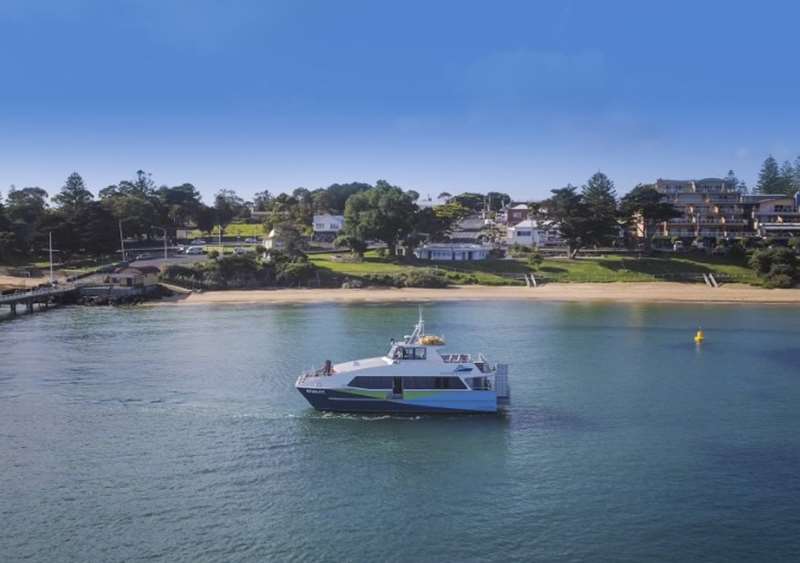
Passenger ferries provide another way to explore destinations around Melbourne and Port Phillip Bay.Western Port Ferry - Operates between Stony Point on the Mornington Peninsula and Cowes on Phillip Island, travelling via French Island.
Westgate Punt - A passenger and bicycle ferry operating between Spotswood Jetty and Westgate Landing in Port Melbourne.
Port Phillip Ferries - Passenger ferry services connect Docklands in Melbourne with destinations including Portarlington and Geelong.
These services provide opportunities for day trips and sightseeing without a car.
See ferry services and transport information.
Taxis and Rideshare Services
Taxis and rideshare services are widely available throughout Melbourne.They can be useful for travelling with luggage, reaching attractions poorly served by public transport or making journeys outside normal public transport operating hours.
Services include:
- Licensed taxis, which can be booked or hired from designated taxi ranks
- Uber
- Other app-based rideshare services operating in Melbourne
Travelling Around Regional Victoria
V/Line Trains and Coaches
V/Line operates regional train and coach services connecting Melbourne with destinations throughout Victoria.Popular regional destinations accessible by train include:
- Geelong
- Ballarat
- Bendigo
- Castlemaine
- Kyneton
- Seymour
- Warragul
- Traralgon
- Sale
- Warrnambool
- Shepparton
- Wodonga
Most regional train services depart from Southern Cross Station in Melbourne, although some services can also be joined at suburban interchange stations.
Ticketing arrangements vary by route and service. Contactless payments and myki are available on eligible services, while some journeys and connecting coaches require alternative tickets or reservations.
See V/Line for regional routes, timetables and travel information.
Travelling Between Melbourne and Other States
Interstate Trains
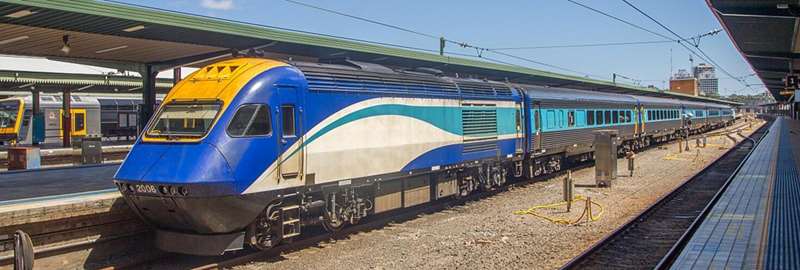
Melbourne has interstate rail connections to Sydney and Adelaide.Melbourne to Sydney - XPT
NSW TrainLink operates the XPT passenger train between Melbourne's Southern Cross Station and Sydney Central Station.
See NSW TrainLink regional services.
Melbourne to Adelaide - The Overland
The Overland operates between Melbourne and Adelaide, providing an alternative to flying or driving.
See Journey Beyond Rail for current services.
Interstate Coaches
Long-distance coach companies provide services between Melbourne and destinations in Victoria and interstate.Operators include:
Routes, departure points and frequencies vary.
Spirit of Tasmania
The Spirit of Tasmania carries passengers and vehicles between Victoria and Tasmania.Important: The Victorian terminal is now located at Spirit of Tasmania Quay, 136 Corio Quay Road, North Geelong, rather than Port Melbourne.
Passengers should check sailing times, check-in requirements and terminal access arrangements before travelling.
Air Travel
Melbourne Airport (Tullamarine)
Melbourne Airport is Victoria's major international and domestic airport, located approximately 23 km north-west of central Melbourne.Major airlines operating services from Melbourne include Qantas, Virgin Australia, Jetstar and international carriers.
The airport has several terminals, and visitors should check which terminal their airline uses before travelling.
See Melbourne Airport.
Avalon Airport
Avalon Airport is located between Melbourne and Geelong, approximately 55 km south-west of Melbourne CBD.The airport handles passenger flights and provides an alternative arrival point for visitors travelling to Melbourne, Geelong and the Bellarine Peninsula.
See Avalon Airport.
Essendon Fields Airport
Essendon Fields Airport is located approximately 13 km north-west of Melbourne CBD. The airport caters for charter, corporate, emergency and selected regional aviation services.See Essendon Fields.
Moorabbin Airport
Moorabbin Airport is approximately 20 km south-east of Melbourne CBD. The airport is used for general aviation, flight training and selected passenger services.See Moorabbin Airport.
Transport To and From Melbourne Airport
SkyBus
SkyBus operates dedicated airport bus services connecting Melbourne Airport with a range of destinations.The Melbourne City Express provides a direct connection between Melbourne Airport and Southern Cross Station in the CBD.
Other SkyBus services connect the airport with selected suburban and regional interchange points. SkyBus also operates services connecting Avalon Airport with Melbourne and other destinations.
SkyBus uses its own ticketing arrangements. Standard myki fares do not apply to SkyBus services.
See SkyBus routes, timetables and ticket information.
Public Transport Buses to Melbourne Airport
Regular public transport buses provide another option for travelling to Melbourne Airport.Bus route 901 connects Melbourne Airport with Broadmeadows Station and continues through Melbourne's eastern suburbs. Other bus routes connect the airport with nearby suburbs.
These services may be cheaper than dedicated airport express buses, particularly for travellers already using the metropolitan public transport network.
See airport public transport connections.
Taxis and Rideshare from Melbourne Airport
Taxis and rideshare vehicles operate from designated areas at Melbourne Airport.Charges depend on the destination, traffic conditions, tolls and operator. Follow airport signage to the appropriate pick-up area.
Driving Around Melbourne
Roads and Freeways
Melbourne has an extensive road network, including freeways, major arterial roads and toll roads.Major freeways provide access to destinations across metropolitan Melbourne and regional Victoria.
Visitors driving in Melbourne should allow extra time during weekday peak periods and major sporting events.
Melbourne is also famous for its trams, so drivers unfamiliar with the city should take particular care when travelling on roads with tram tracks.
Toll Roads
Melbourne has three principal toll road networks:- CityLink - Connects major freeways around inner Melbourne, including sections of the Monash and Tullamarine corridors
- EastLink - Connects Melbourne's eastern suburbs with the Frankston area
- West Gate Tunnel - Provides a tolled connection between Melbourne's western suburbs, the city and the port area
Vehicles are identified using electronic tags or number plate recognition cameras.
If your vehicle does not have a suitable toll account, you may need to purchase an appropriate pass or arrange payment separately.
See Melbourne toll road information.
Driving a Rental Car on Toll Roads
Many rental car companies provide arrangements for toll road travel, although additional administration or processing fees may apply.Before collecting your rental vehicle, check:
- Whether the vehicle is registered for electronic tolling
- How toll charges will be billed
- Whether extra administration fees apply
- Whether you need to arrange a separate toll pass
Rental Cars
Rental cars are available at Melbourne Airport, Avalon Airport, central Melbourne and numerous suburban locations.Major operators include:
A rental car may be particularly useful for visiting regional attractions, national parks and locations with limited public transport.
Useful Transport Tips for Visitors
- Plan ahead - Use the Transport Victoria Journey Planner to check routes and connections before leaving
- Check disruptions - Train, tram and bus services can be affected by maintenance, roadworks and major events
- Use free trams - Take advantage of the Free Tram Zone when exploring central Melbourne
- Check ticketing - Contactless payment is available on many services, but some regional and specialist transport services have different ticketing requirements
- Allow extra time - Transport can be busy during weekday peaks, concerts and major sporting events
- Travelling with children - Check child fare entitlements and accessible transport arrangements when travelling with younger family members
- Regional travel - Some regional trains and coaches operate less frequently than metropolitan services
- Driving - Check parking restrictions and toll road arrangements before setting out
Web Links
→ Public Transport Victoria
→ Metro Trains
→ Sky Bus City Airport Express
→ Yarra Trams
→ V/line (Country Trains)
→ Spirit of Tasmania (Ferry to Tasmania)
→ Greyhound Australia (Interstate Buses)
→ Firefly Express (Interstate Buses)
→ NSW TrainLink (Interstate Trains)
→ Great Southern Rail (Interstate Train)


