Geelong Gaol National Crime & Justice Museum

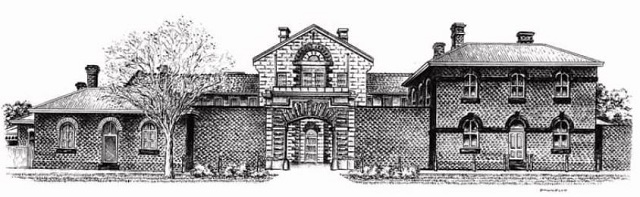
Opening in 1853, the Geelong Gaol is one of Australia’s most intact 19th-century convict prisons. For 138 years it was a place of incarceration for men, women and children from all walks of life serving sentences imposed by the law of Geelong. Over its history, it has been a maximum security prison, a girls’ school, a hospital gaol and a detention barracks.
Today the Geelong Goal Museum is open to the public to view the brutal conditions prisoners endured and with exhibitions on a variety of prison and correctional history.
Step into the past and experience the gripping tales of Australia’s criminal history at the National Crime and Justice Museum.
The National Crime and Justice Museum stands as a testament to Australia’s rich and complex history of crime and justice. Located in Victoria’s longest-running colonial gaol, the museum offers a unique glimpse into the lives of those who lived and worked within its walls.
Through immersive exhibits and authentic artifacts, visitors can explore the evolution of law enforcement, the penal system, and the stories of infamous criminals and lawmen who shaped the nation. Our mission is to educate and engage the public in understanding the societal impacts of crime and justice throughout Australia’s history.
Museum Highlights
- Historic Gaol Tours
- Infamous Criminals Exhibit
- Crime and Punishment Artifacts
- Law Enforcement History Gallery
- Prisoner Stories and Memoirs
- Victorian Era Justice System
- Notorious Escape Attempts
- Women in Crime
- Juvenile Justice Evolution
- Capital Punishment in Australia
- Rehabilitation and Reform
- Special Exhibitions and Events
Permanent Exhibitions
STITCHED UP
Stitched Up brings to life Australia's most infamous criminals through their prison uniforms. There have been ten major changes in male convict uniforms between 1788-2020
VICTORIA'S FLOATING PRISONS
The onset of the 1851 Victorian gold rush and the influx of people seeking their fortunes placed strain on the only existing gaol in Melbourne. The fledgling colonial government purchased seven unseaworthy ships and converted them into floating gaols.
CHOPPER FRAMED
Marck "Chopper" Read, an Australian folk hero, quick witted and unaologetic, underworld character who graduated from the school of hard knocks and turned into a media star. This exhibition explores Choppers life after spending 26 years in gaol.
SAGA BEHIND THE ARMOUR
This gallery brings to life the story of Ned Kelly and his gang through the eyes of the Geelong people who were involved in the events of 1878-1880
EXECUTIONS OF GEELONG GAOL
Geelong Gaol has been the scene of six executions including the first regional execution outside of Melbourne. It also saw one very near miss.
VICTORIA'S COLONIAL GAOLS
Unlike other states in Australia, Victoria was not settled by convicts. It was only the influx of immigration during the colonial gold rush which saw the building of large gaols.
Tours
Geelong Gaol National Crime & Justice Museum offers a range of guided experiences led by costumed guides through the historic three-storey bluestone prison. Daytime tours include Locked Up with History, which explores the gaol’s 170-year history and the experiences of its prisoners, and Breakouts & Bold Escapes, which recounts daring escape attempts and the stories behind them. After-dark options include a theatrical Ghost Tour, hands-on Paranormal Investigation Tours and longer extended investigations for visitors seeking a more intense experience. Tour availability varies, and advance booking is recommended.
Opening Hours:
Opening Times
Cost:
Entrance and Tour Prices
History of the Goal
Overview
The Geelong Gaol first opened its doors in 1853 and ran continuously until 1991 when the gates dosed behind the final prisoner.
In the intervening years, it was the site of a prison for male and female prisoners, an industrial school for young girls, a hospital for those sick and dying prisoners in the colony, a military detention centre and a training prison. Based on the Pentonville system which preached silence and separation, the tiny cells with only a bucket for a toilet and few creature comforts made it a miserable existence for all who were incarcerated there.
Executions
The Geelong Gaol was the scene of 6 executions - John Gunn and ,George Roberts in 1854 for the murder of Samuel Harris and the attempted murder of George Kelly on the first and only public execution at Gallows Flats; James Ross in 1856 for the murder of Elizabeth Sayer and his infant son; Owen McQueeney in 1858 for the Green Tent murder of Elizabeth Lowe; James Murphy in 1863 for the murder of Constable Daniel o'Boyle; and Thomas Menard in 1865 for the murder of James Sweeney. Menard is buried within the confines of the Geelong Gaol.
Industrial School
The 1864 Neglected Children's Act allowed for the placing into care of children who had been abandoned by their parents or who were living on the streets. With the influx of immigrants for the gold rush and beyond, the existing Ryrie Street Industrial School was overflowing. It was decided to turn the north, south and east wings of the gaol into the Myers Street Industrial School, housing young girls between 3 and 16 years and young boys up to the age of 6 years. Between 1868 and 1873, the school housed up to 192 students whilst mate and female prisoners remained in the west wing.
Prisoners
Geelong Gaol has been the place of incarceration for thousands of men, women and children throughout its history. While men have always been held here though its different roles, women and children were here only in the 1800s. By the early 1900s, all women were transferred to the Female Prison at Coburg with only those on remand held here for a short time. The youngest prisoner on record was aged just 2 years old in the 1860s.
Hospital
After the closure of the Industrial School, the Geelong Gaol became the hospital gaol for the colony of Victoria. It was believed that its proximity to the sea would help those suffering from illness, dying from disease, and the elderly or disabled prisoners housed in other gaols around Victoria. It became known as the "Prison of the Ill" or the "Seaside Resort" and has witnessed hundreds of deaths within the bluestone walls despite the care and attention of the medical officers who serviced the Gaol.
Military
During World War 2, the Geelong Gaol became a military detention barracks known as the 8th Australian Detention Barracks or Geelong Detention Barracks. It housed those members of the Army, Navy and Air Force along with a couple of international soldiers, who needed to be incarcerated for military offences. It held up to 192 SUS (soldiers under sentence) during its 5 year history. These soldiers performed the largest breakout in Victorian prison history when 22 men escaped in July 1945.
Closure & Beyond
The Geelong Gaol closed in July 1991 and the remaining prisoners were transferred to the newly constructed Barwon Prison. In 1995 the Rotary Club of Geelong took over the management of the site, and opened the gaol as a museum. In 2019, the Geelong Council sold the gaol into private ownership, and in June 2019 the Geelong Gaol Museum reopened, showcasing the history of colonial crime and punishment in Victorians gaols, along with the experience of the conditions of an 1850s colonial prison.
Location
202 Myers Street, Geelong 3220 View Map
✆ 1300 865 800
Email Enquiry
Web Links
→ geelonggaol.com.au
→ Geelong Gaol Museum on Facebook


