Butter Factories of Victoria: Exploring the State's Dairy Heritage


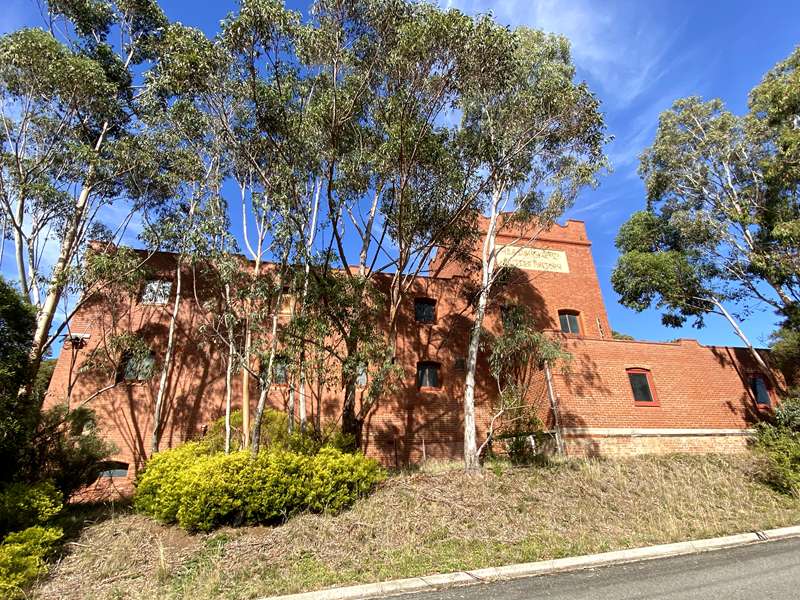
During the late 1800s and early 1900s, butter factories were among the most important buildings in rural Victoria. Hundreds of factories and creameries processed milk from surrounding farms, helping transform Victoria into one of Australia's leading dairy-producing states.
While most butter factories have long since closed or been absorbed into larger dairy operations, a surprising number of their buildings still survive. Some continue to process dairy products, while others have been transformed into museums, accommodation, food destinations, breweries, community spaces and heritage attractions.
This guide explores Victoria's surviving butter factories that can still be seen today. Although most no longer produce butter, their buildings remain tangible reminders of the dairy industry that helped shape regional Victoria.
Melbourne
York Butter Factory
Not all butter factories were located in rural Victoria. The former York Butter Factory in Melbourne's CBD operated from 1902 and is one of the city's most distinctive industrial heritage buildings. Originally linked to the nearby Yarra River wharves, the bluestone warehouse later became a butter factory before being repurposed for modern commercial uses. Today it remains a fascinating reminder of Melbourne's industrial past.
Location: King Street, Melbourne CBD
North East Victoria
Euroa Butter Factory
The former Euroa Butter Factory reflects the importance of dairying across north-east Victoria. By the 1890s the district supported hundreds of dairies and formed part of a booming dairy industry that saw more than 200 butter factories operating across Victoria. The factory building survives today as accommodation, providing visitors with a chance to stay within a piece of the state's agricultural history.
Location: Euroa
Milawa Butter Factory
Established in 1891, the Milawa Butter Factory grew to become one of Australia's largest dairy companies by the late nineteenth century. Processing cream from farms throughout the Oxley and King Valley districts, the factory played a crucial role in developing the region's dairy industry and supporting local farming communities. After operating for many decades, the site was transformed in 1988 into the Milawa Cheese Company, which continues the property's long association with dairy production. Today the former butter factory remains one of the most significant heritage sites in Milawa and a cornerstone of the Milawa Gourmet Region.
Location: Factory Road, Milawa
Myrtleford Butter Factory
Established as a co-operative enterprise in 1903, the Myrtleford Butter Factory became one of north-east Victoria's most important dairy processing facilities. Local farmers formed the company after years of supplying cream to outside manufacturers, allowing them to produce and market their own butter. The present red-brick factory was constructed in 1930 and served the Ovens Valley dairy industry for decades. Today the former factory remains a prominent heritage landmark and a reminder of the vital role dairying played in the development of Myrtleford and the Alpine region.
Location: Myrtle Street area, Myrtleford
Goulburn Valley & Central Highlands
Alexandra Butter Factory
Alexandra's butter factory served dairy farms across the Goulburn Valley and foothills of the Great Dividing Range. Historical photographs from the early twentieth century reveal the scale of operations and the importance of dairying to the local economy. Although the original industry has disappeared, the factory forms part of Alexandra's rich rural heritage.
Location: Alexandra
Kilmore Butter Factory
The Kilmore Butter Factory occupied one of Victoria's most unusual dairy industry buildings – the former Old Kilmore Gaol. After the prison closed in 1891, the bluestone complex was converted into a butter factory and became an important centre for dairy production in the Kilmore district. Extensive upgrades in the early twentieth century helped the factory grow into a significant local employer, and butter production continued for many decades. Today the former gaol and butter factory survives as one of Kilmore's most distinctive heritage landmarks, combining the stories of Victoria's justice system and dairy industry in a single remarkable building.
Location: 8–12 Sutherland Street, Kilmore
Yea Butter Factory
Established in 1891 as the Yea & Mansfield Dairy Company, the Yea Butter Factory played a vital role in the development of dairying across the Murrindindi district. Local farmers supplied milk and cream to the factory, which produced butter for Victorian and interstate markets. The dairy industry remained a cornerstone of the local economy for more than 100 years, with the factory operating until 1993. Today the former factory building in Rattray Street stands as one of Yea's most significant industrial heritage landmarks and a reminder of the town's rich agricultural history.
Location: 13 Rattray Street, Yea
Butterland (Newstead)
Built in 1904, the Newstead Butter Factory operated as a dairy processing facility until 1975. Following its industrial life, the building served as a candle factory before being carefully restored. Today, known as Butterland, it is a heritage-listed venue showcasing the impressive industrial architecture of Victoria's dairy era, including its original brickwork, chimney and factory features.
Location: Newstead, between Castlemaine and Daylesford
Buninyong Butter Factory
Established in 1892, the Buninyong Butter Factory occupied the town's former sandstone courthouse, creating one of Victoria's most unusual industrial heritage sites. The co-operative factory processed milk and cream from surrounding farms and helped support the district's growing dairy industry. Expansion soon followed, with a brick extension added in 1893 before a new factory was built closer to the railway in 1908. Today the former courthouse building survives within Buninyong's historic Old Legal Precinct, where visitors can learn about its remarkable transformation from courthouse to butter factory and later council depot.
Location: Old Legal Precinct, Cornish Street, Buninyong
South Gippsland
Fish Creek Butter Factory
Established in 1900 as a co-operative creamery, the Fish Creek Butter Factory played a central role in the development of South Gippsland's dairy industry. Local farmers supplied cream and milk to the factory, which produced butter under the well-known Greenshields brand. For more than six decades the factory helped support the local economy before changing dairy practices and industry consolidation led to its closure in 1967. The former factory building in Falls Road, now used by Berryman's Bus Lines, survives as one of Fish Creek's most significant industrial heritage sites and a reminder of the district's rich dairying history.
Location: 7 Falls Road, Fish Creek
Korumburra Butter Factory
Established in 1901, the Korumburra Butter Factory became one of Victoria's most important dairy processing plants. Following a major expansion in 1909, it was reputedly the largest butter factory in the Southern Hemisphere and helped make South Gippsland one of Australia's leading dairying regions. The factory employed hundreds of local residents before butter production ceased in 1973 as the industry consolidated. Unlike many historic butter factories, the site survived and continues its dairy heritage today as the home of Burra Foods, making it one of the few former butter factories in Victoria still processing local milk.
Location: Victoria Street area, Korumburra
Leongatha Butter Factory
The Leongatha Butter Factory was one of South Gippsland's most significant dairy processing facilities, serving generations of local dairy farmers and helping establish the region as one of Australia's leading butter-producing districts. Supported by the arrival of the railway and the rapid expansion of dairying across South Gippsland, the factory became a major local employer and an important part of Leongatha's economy. Today the historic factory building survives as one of the town's most prominent industrial heritage sites, providing a tangible link to Victoria's dairy boom.
Location: Turner Street area, Leongatha
Mirboo North Butter Factory
Established in the early 1890s, the Mirboo North Butter Factory played a central role in the development of South Gippsland's dairy industry. Local farmers delivered cream and milk to the co-operative factory, which produced butter for Melbourne and export markets. The factory remained an important employer for decades before later becoming the home of the Grand Ridge Brewery, one of Victoria's pioneering craft breweries. Today the historic building remains one of Mirboo North's most significant heritage landmarks and a reminder of the district's rich dairying history.
Location: Baromi Road, Mirboo North
Poowong Butter Factory
Established in 1892, the Poowong Butter Factory played a central role in the development of South Gippsland's dairy industry for almost a century. After the original timber factory was destroyed by fire in 1901, a larger factory was built in 1902 and became one of the district's most important employers. Processing milk and cream from farms throughout the Strzelecki Ranges, the factory expanded into a range of dairy products and operated until 1985. Today the former factory remains a prominent heritage landmark and a reminder of the industry that helped shape Poowong and the wider South Gippsland region.
Location: Ranceby Road, Poowong
Toora Butter Factory
Established in 1893, the Toora Butter Factory is one of Victoria's oldest surviving dairy processing sites. The factory played a major role in the development of South Gippsland's dairy industry, providing a market for milk and cream from surrounding farms and helping establish Toora as an important agricultural centre. Expanded over many decades and famous for its Tooralac butter brand, the factory remained at the heart of the local economy throughout the twentieth century. Today the historic site continues its dairy heritage as the home of ViPlus Dairy, making it one of the few former butter factories in Victoria that is still used for dairy manufacturing.
Location: 67 Toora Jetty Road, Toora
East Gippsland
Buchan Butter Factory
The Buchan Butter Factory is one of East Gippsland's best-preserved dairy industry landmarks. Butter production began in Buchan in the late nineteenth century, with the Buchan Butter and Cheese Co-operative formed in 1910 to support local dairy farmers. The current factory building, largely rebuilt in 1921, stands beside the Buchan River and is notable for its unusual concrete construction. After producing award-winning butter for decades, the factory closed in 1948. Today the building is being restored by the Buchan Heritage Group and remains an important reminder of the district's agricultural heritage.
Location: Gelantipy Road / Caves Road area, Buchan
Orbost Butter Factory
Established in 1893, the Orbost Butter Factory played a vital role in the development of East Gippsland's dairy industry. Created by local farmers during the economic hardships of the early 1890s, the co-operative factory provided a market for milk from across the Snowy River district and helped transform dairying into a major local industry. For many years the factory was one of Orbost's largest employers, producing butter for Victorian and export markets. The historic building survives today as one of the town's most important industrial heritage landmarks and a reminder of the pioneering spirit that helped build the region.
Location: Livingstone Street area, Orbost (near the Snowy River and former railway precinct)
West Gippsland
Drouin Co-operative Butter Factory
The Drouin Co-operative Butter Factory was established in 1904 and became a major employer in West Gippsland. The factory expanded rapidly and even supplied electricity to the town's streets and homes following upgrades in 1907. Although dairy processing has ceased, the factory remains an important part of Drouin's history and illustrates the close relationship between dairying and the development of Gippsland communities.
Location: Drouin
South West Victoria
Cobden Butter Factory
The Cobden and District Cheese and Butter Factory opened in 1888 and is regarded as the first co-operative butter factory in the Southern Hemisphere. Established by local dairy farmers, it quickly became one of Victoria's most successful dairy enterprises and helped cement the Western District's reputation as a major dairy region. The factory later became associated with the Western Star butter brand, which originated in the district. Today large-scale dairy processing continues on the site, making it one of Victoria's most enduring dairy landmarks.
Location: Cobden, South West Victoria
Macarthur Butter Factory
Established in 1892, the Macarthur Butter Factory was an important part of the Western District's dairy industry, processing cream and butter from surrounding farms for local and export markets. Operated as a co-operative enterprise, the factory helped support dairy farming throughout the Macarthur district and contributed to the prosperity of the town for many decades. The former factory building still survives on Palmerston Street, making it one of the Western District's tangible reminders of Victoria's dairy boom. Today it stands as an important piece of Macarthur's industrial and agricultural heritage.
Location: Palmerston Street, Macarthur
Warrnambool Cheese and Butter Factory
Established in 1888, the Warrnambool Cheese and Butter Factory is Australia's oldest continuously operating dairy processor. Originally producing cream and butter for shipment to Melbourne, the company grew into one of Australia's most significant dairy businesses. Visitors can learn more about the region's dairy heritage at nearby Cheese World, which includes displays on the industry's history.
Location: Allansford, near Warrnambool
Otways
Birregurra Butter Factory
Established in 1913, the Birregurra Butter Factory played a central role in the development of the Otway region's dairy industry. Local farmers supplied cream and milk to the factory, which became famous throughout Victoria during the 1940s and 1950s for its high-quality butter. At its peak the factory employed local workers and operated several delivery trucks servicing the surrounding district. Butter production ceased in 1955 when the factory was acquired by the Colac Dairying Company, but the building remains an important reminder of Birregurra's agricultural heritage and is featured on the town's heritage walk.
Location: Main Street area, Birregurra
The Legacy of Victoria's Butter Factories
By the turn of the twentieth century, butter factories had become a defining feature of rural Victoria. Improvements in refrigeration, transport and dairy technology allowed factories to replace small-scale farm production and fuel a rapidly growing export industry. Many factories became co-operatives owned by local farmers, helping communities prosper for generations. While most no longer produce butter, their buildings, stories and heritage continue to tell the story of Victoria's dairy boom.


