Boolarra - The Old Mill Site


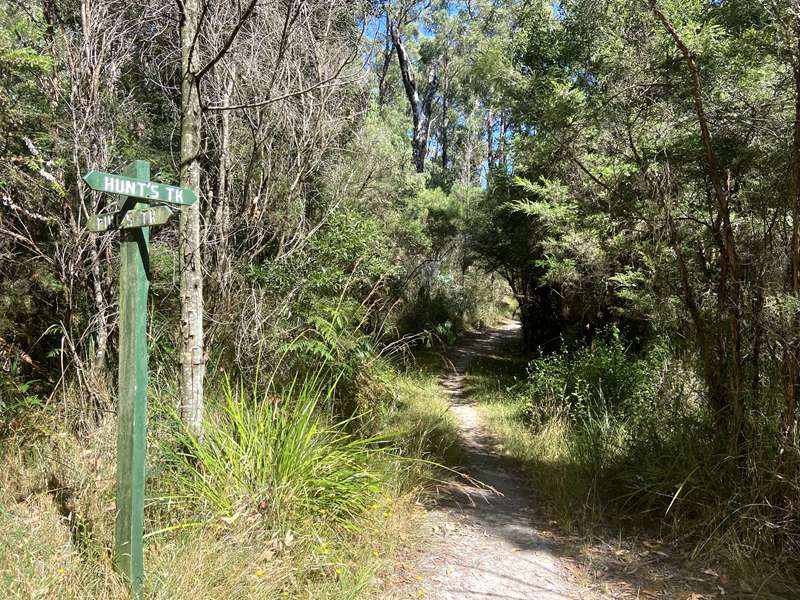
The Old Mill Site in Boolarra is in a corner of state forest close to town. Since the devastating 2009 bushfires, when the area was burnt, Boolarra South Landcare Group has been at work developing the site. There are more than 5kms of wheelchair friendly walking tracks for everyone to enjoy.
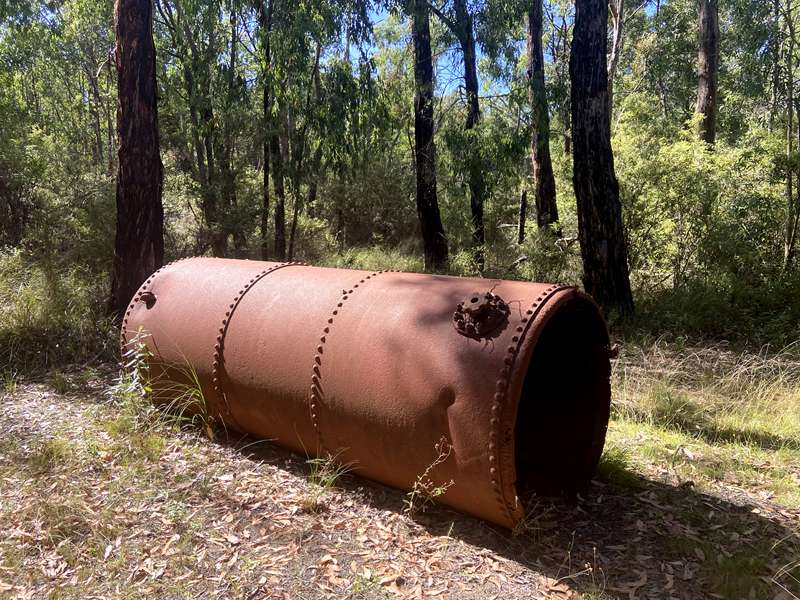
The forest is home to common wildlife: koalas, wallabies, bush rats, echidnas, possums and wombats and over 30 different species of birds. There are rare orchids, fern gullies and beautiful bush. A bird hide/ bridge shelter has been built on Two Mick's Track and is a pleasant place to sit. A heritage area is currently being constructed on Pike's Track around the original steam boiler and other artefacts from the Old Mill will be located here.
Maps are available at entrances in Foster Road, Young Street and Bastin Street; tracks are well sign posted and there are seats along the way.
The car park is off Foster Road and adjacent to this is a grassy picnic area with a gazebo and composting toilet. An extensive arboretum has been planted here and wetlands are being developed.
Access for Dogs:
Dogs are permitted on leash. No horses or motorcycles.
History of Site
The timber industry was one of the first industries established in the town of Boolarra. A Saw Mill was established on the corner of Foster and Bastin Street in 1934 by Mr Robert Thorburn. Gum Trees such as Messmate and Blackbutt were the main timbers cut and they were mostly used for building houses in the area, some of the first houses are still standing in Church Street, Boolarra. A steam engine was used for driving the mill. The dam at the Mill Site was dug by horse and scoop and the young Thorburns fished this dam for perch. The Thorburn family had a house on the site and their three sons also worked the Mill Site with another employee. A "Spot Mill" was operated in the forties for a few years.
In 1954 Dyer Bros. established their Mill on this site. The Dyers mainly cut Mountain Ash which came from Gunyah and a bit of Blackwood. This Mill was in operation for twenty six years until it was sold in December 1981. Many houses in Vary Street, Morwell were built with timber from Dyers Saw Mill. The mill site then operated until the late eighties selling hardware and garden supplies.
The next Mill on the site was operated by Kevin Tyers as Selectwood Propriety Ltd from 1990 - 1995, he cut old Cypress pine trees to recycle from farms in the area and also recycled recovered Queensland Ironbark Sleepers supplied by MGS Pty Ltd which were made into furniture.
The Old Mill Site then remained derelict until the Boolarra South Landcare Group planted some trees and understory in 2005 in conjunction with the DSE.
In 2009 the Mill Site was burnt out in the Delburn Complex Bushfires, which devastated the Town of Boolarra. Thirty houses, out-buildings, fencing, machinery, animals and vegetation were burnt. In 2010 with funding from the Bushfire Recovery Fund, Boolarra South Landcare Group purchased pruning equipment and with the help of the DSE and Conservation Victoria volunteers collected seed pods in an attempt to revegetate the area.
This Plan has grown and we now have extensive walking tracks, gazebo, arboretum, composting toilet, wetlands and picnic facilities.
Early History of Timber Cutting and Milling in Boolarra and Surrounds
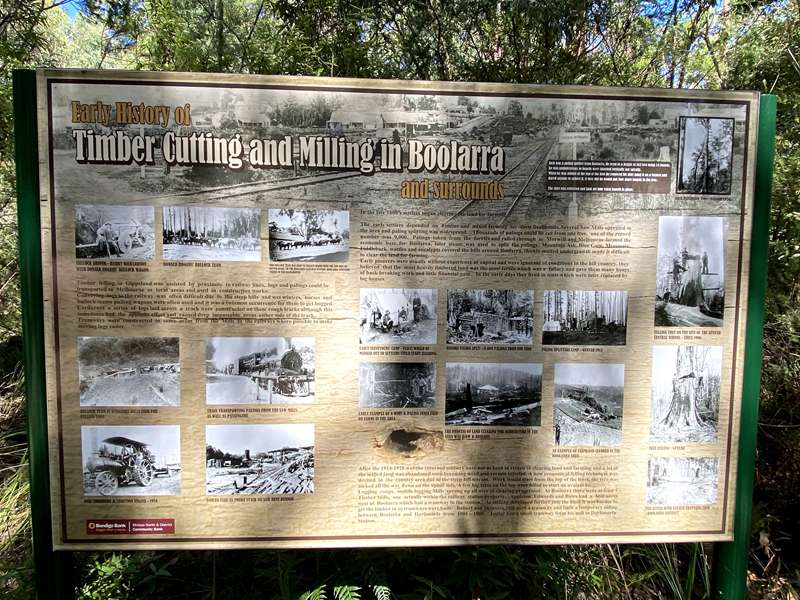
Timber felling in Gippsland was assisted by proximity to railway lines, logs and palings could be transported to Melbourne or local areas and used in construction works.
Conveying logs to the railway was often difficult due to the steep hills and wet winters, horses and bullock teams pulling wagons were often used and it was as a common occurrence for them to get bogged. Corduroys a series of logs laid across a track were constructed on these rough tracks although this sometimes had the opposite effect and caused deep impassable areas either side of the track. Tramways were constructed in some areas from the Mills to the railways where possible to make moving logs easier.
In the late 1800's settlers began clearing the land for farming.
The early settlers depended on Timber and mixed farming for their likelihoods. Several Saw Mills operated in the area and paling splitting was widespread. Thousands of palings could be cut from one tree, one of the record number was 9,000. Palings taken from the forests and railed through to Morwell and Melbourne formed the economic base for Boolarra, later steam was used to split the palings. Mountain Ash, Blue Gum, Messmate, Fiddleback, wattles and eucalypts covered the hills around Boolarra, thickly matted undergrowth made it difficult to clear the land for farming.
Early pioneers were usually without experience or capital and were ignorant of conditions in the hill country, they believed that the most heavily timbered land was the most fertile which was a fallacy and gave them many hours of back breaking work and little financial gain. In the early days they lived in tents which were later replaced by log houses.
After the 1914-1918 war the returned soldiers were not as keen to return to clearing land and farming and a lot of the settled land was abandoned soon becoming weed and vermin infested. A new economical felling technique was devised in the country area due to the steep hill terrain. Work would start from the top of the trees, the tree was nicked all the way down on the uphill side. A few big trees on the top were felled to start an avalanche.
Logging coups, mobile logging Mills sprung up all over as clearing progressed. At Boolarra there were at least 5 Timber Mills, one actually within the railway station property. Appleton, Edwards and Bates had a Mill north west of Boolarra which had a tramway to the station. As milling developed further into the bush it was harder to get the timber in so tramways were built. Robert and Skinners used a tramway and built a temporary siding between Boolarra and Darlimurla from 1905 - 1909. Latter had a small tramway from his mill to Darlimurla Station.
Review:
A pleasant place to visit with a central area for a picnic (with toilets) and a range of interconnecting tracks through the bush. The tracks are well sign-posted, some have seats and are wide enough that any snakes on the path during hot weather should be very easy to spot and avoid. There is some historical signage about the timber cutting and milling period and an old boiler to find. We didn't manage to find a real wetlands area during summer.
Photos:
Location
19 Foster Road, Boolarra 3870 View Map
Web Links
→ Old Mill Site Boolarra on Facebook


