Alexandra - McKenzie Flora Reserve


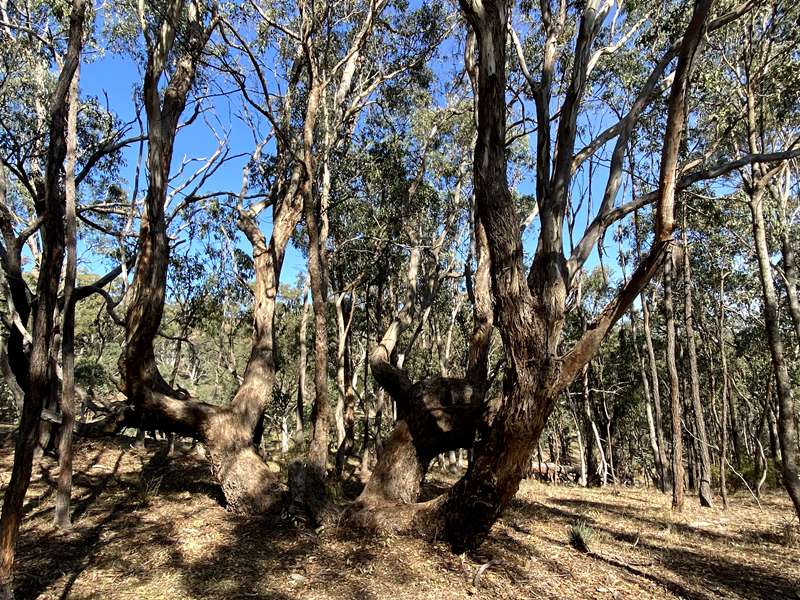
McKenzie Flora Reserve is one of three bushland reserves at the south end of Alexandra. It is home to a wider range of flora, fauna and fungi, including 28 members of the orchid family and the tiny birds nest fungus.
Be on the lookout for birds such as cockatoos, parrots, rosellas, lorikeets, magpies, kookaburras, rainbow bee eaters, currawongs, king fishers, bush-tailed phascogale, willy wagtail, spotted and striated pardalotes, silvereye, honey eaters, fantails, sugar gliders and robins. The occasional hawk may even be visible from time to time as it hunts its prey, or a wedge-tail eagle floating high above, as it rides hot air currents higher and higher.
The trees, grasses and wild flowers are diverse, though so are the insects and spiders, which are in abundance in the reserve. The big rewards of the Australian bush are often easy to miss, yet there are great rewards to be had for those willing to get up close and personal with nature in a reserve such as this.
Prior to European settlement, this area was the hunting grounds and home for members of the Taungurung people.
After white settlers arrived, the land was converted into farmland. However the land was eventually donated to the shire and returned to nature when the reserves were declared in the 1970s. Around this time a car derby was held within the reserve, though this eventually ended. Today it is a well known place to enjoy nature and stroll through authentic Australian bushland.
Directions
1. Travel to Alexandra Information Centre.
2. Travel south along Grant Street to the corner of Downey and Grant Streets.
3. Continue along Grant Street (through the main shopping area) for 1.5 km to the McKenzie Flora Reserve carpark on the right (just past the Scout Hall). Grant Street changes into Mt Pleasant Road.
Access for Dogs:
Pets, cycling, horse riding, and the lighting of fires are not allowed in the bushland reserves.
Interpretative Signage
Discover many of the fascinating interactions between plants and animals or some of their specialised adaptations to the environment and each other. Seasonal changes provide lots of surprises, especially spring and summer when colourful wildflowers, birds and butterflies abound.
Grassy Patches
Native grasses, colourful herbs and a variety of orchids are unique features of the reserve.
In summer, the distinctive golden flowerheads of Kangaroo Grass dominate the treeless and woodland areas. Native grasses provide a rich source of seed for many animals like Eastern Grey Kangaroos, native rats and parrots.
Lookout for a startled Painted Button Quail as it rapidly flies off at grass-top level, then drops down and disappears from view where its mottled colour blends with its surroundings. Or watch Grass-blue butterflies flit constantly through the grass, often settling on flowerheads.
Blotched Blue-tongue Lizards are sometimes seen basking on rocks. They feed on grasshoppers, crickets and flowers but if disturbed, they hiss and flick their distinctive bluish tongues.
In Delicate Balance
On warm, sunny days during summer, many butterflies including the Common Brown, Australian Painted Lady and Imperial White seek nectar from flowering plants and while feeding, help to pollinate them.Their larvae or caterpillars feed on young eucalypts, acacias or mistletoes where they are easy prey for birds.
As its name suggests, the Rainbow Bee-eater feeds on bees and wasps. This brightly coloured bird is a delight to see, but only in summer when it migrates south. Amazingly, it is able to disarm the stings of bees and wasps before feeding or passing them onto their young.
A rapid tapping noise among the leaves may be a Spotted Pardalote or a Silvereye feeding on lerps, sap-sucking bugs, leaf-skeletonising moths and other insects.
In these and many other ways, plants and animals maintain a delicate balance in the reserve, a remnant of once widespread forest and native grassland. The trees, understorey plants, rocks and decaying leaves and timber provide food, shelter and nest sites for wildlife.
Golden Age
Gold was discovered in the Alexandra area in 1866, leading to a sudden influx of miners. Donald McKenzie occupied the Mount Pleasant Station during the peak gold mining period. Parts of the station were gradually sold off and cleared. The remaining bushland, including McKenzie Flora Reserve covering 47 hectares and the nearby Bushland Reserve, were originally set aside to provide timber for the gold mines.
The walking tracks pass several excavations and other evidence of past gold mining activity.
Transitions
The walking tracks cross several gullies where moisture seeking plants occur. Majestic River Red Gums and Yellow Box grow along watercourses and valleys with scattered shrubs, sedges, lilies and herbs.
In contrast, Red Box, Red Stringybarks and acacias grow close together on the better drained slopes and ridges.
Yellow Buttercups, guinea-flowers, everlastings and Bulbine Lilies, white Milkmaids, sweet scented Chocolate Lilies, pink Trigger Plants, sticky sundews and orchids attract butterflies, beetles and other insects.
Look closely at the variety of flower arrangements, especially those of orchids which may have an attractively coloured tongue, covered with hairs or glands.
Inquisitive Grey Fantails and Yellow Robins fly quite close, snapping up any disturbed insects while small groups of Varied Sittellas hop down tree trunks and branches, probing for insects in bark and crevices.
Cycles of Activity
Sudden flashes of wildlife activity occur with the onset of spring and summer when food is abundant, and also at dawn and dusk each day. Warmth and increased daylight hours stimulate many flowering plants to burst into bloom or, like orchids, appear from below the ground.
Rufous Whistlers, Satin and Leaden Flycatchers, Sacred Kingfishers, Fan-tailed Cuckoos and other summer migrants arrive, defend territories and display interesting courtship behaviours. Lizards become more active, shed their skin, look for mates and hunt for small insects and frogs.
Bluebells, Pink-bells, Blue Pincushions, yellow Yam Daisies, Billy-buttons, purple Austral Bugles and white Rice-flowers add colour to the rapidly drying bushland.
Male Flame Robins, distinguished by their bright scarlet breasts, and the mournful whistles of White-winged Choughs herald the approach of autumn and winter. Also, Golden Whistlers and Crimson Rosellas move into the area from cooler, higher altitudes where they spend the hottest part of summer.
Throughout autumn, winter and early spring, usually after rain, fungi of all shapes and colours appear on the ground, on fallen branches or logs and on tree trunks.
Hollow Homes
Old trees develop hollows from fire scars or where limbs break away. Like the rare Tuan or Brush-tailed Phascogale, many animals including gliders and other possums, bats, owls, kookaburras, treecreepers and parrots nest in tree hollows.
Others, like wombats, bush rats, kingfishers, pardalotes, snakes and Rainbow Bee-eaters nest in earth tunnels or hollow logs.
Adaptable Tongues
High in the canopy, Musk Lorikeets and various honeyeaters seek nectar, pollen, berries, fruit or insects. Sugar Gliders feed on acacia gum, eucalyptus sap and insect secretions.
Ambling slowly along the ground, the Short-beaked Echidna seeks out termite and ant nests. Using its strong front claws, it breaks open their nests and laps up termites and ants with its long, sticky tongue.
Review:
At the reserve is a small car parking area, faded information board and unshaded seat. Three walking tracks link to form short circuits of almost 2 km (1 hour) each.
There are a number of narrow dirt trails throughout the reserve which has light bushland with orange arrows pointing back to the carpark. There is good phone reception also which means very low risk of getting too lost. On the southern side is a gate to the hilly Mt Pleasant Reserve which is located near a large settling dam.
Photos:
Location
Mt Pleasant Road, Alexandra 3714 View Map


